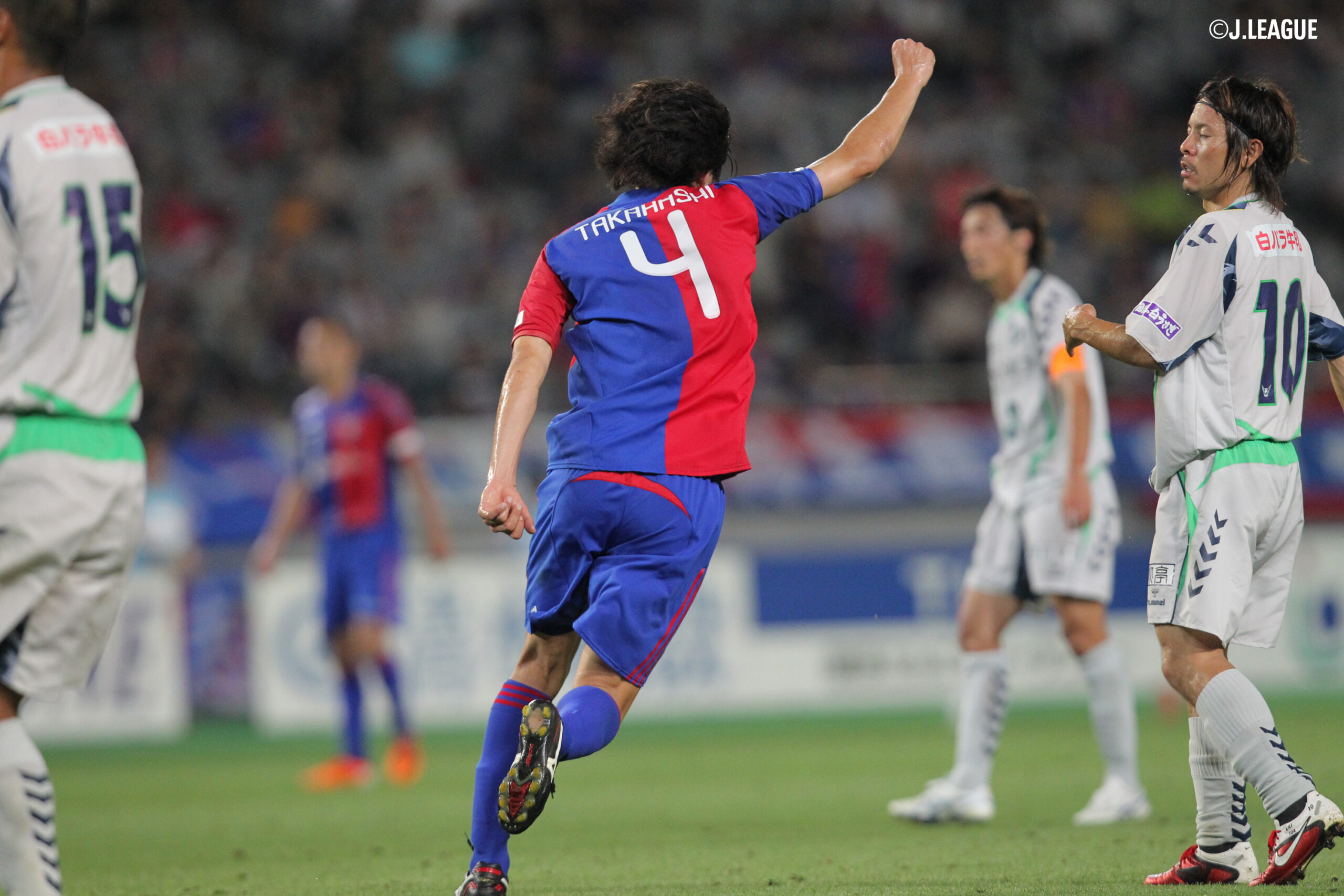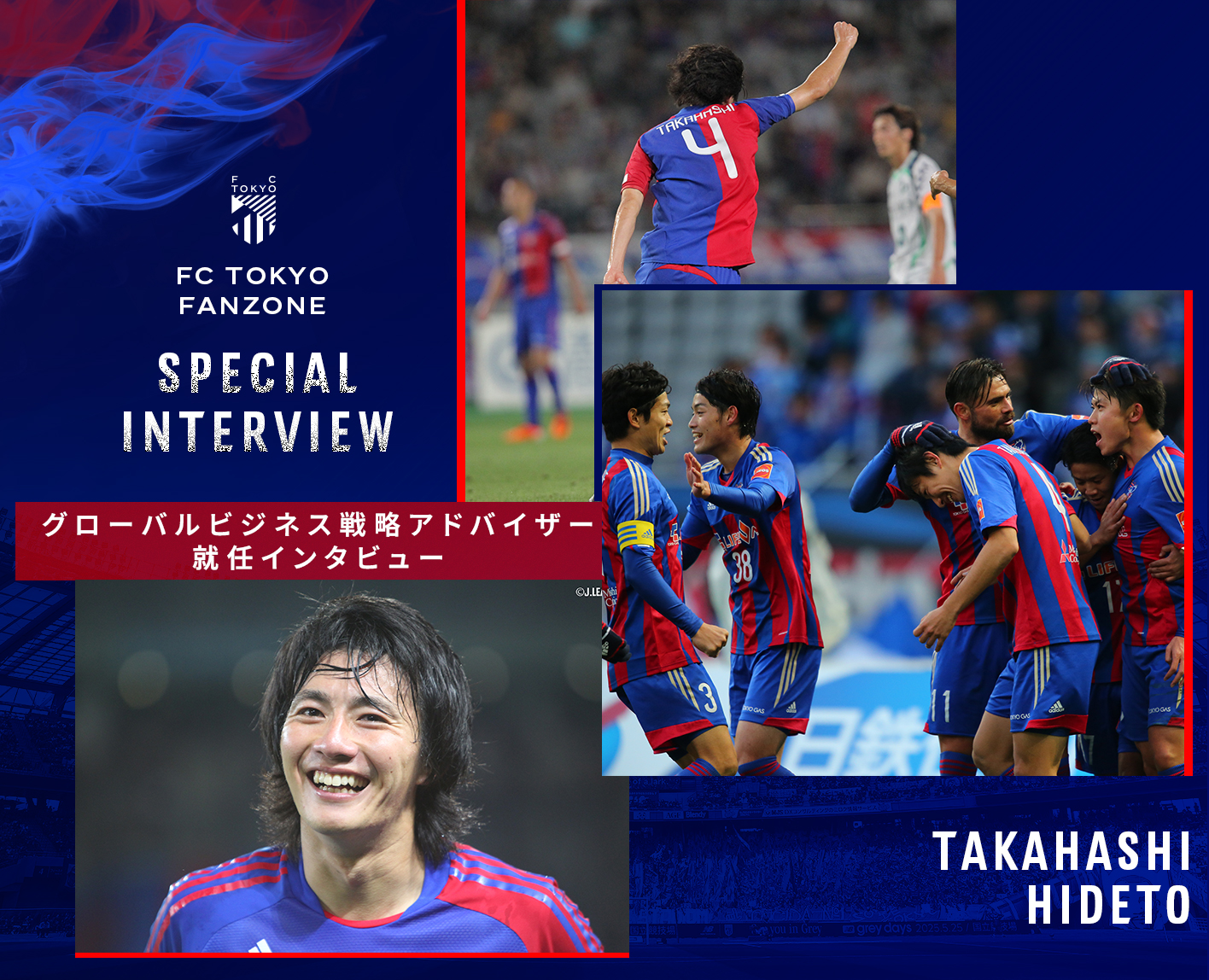


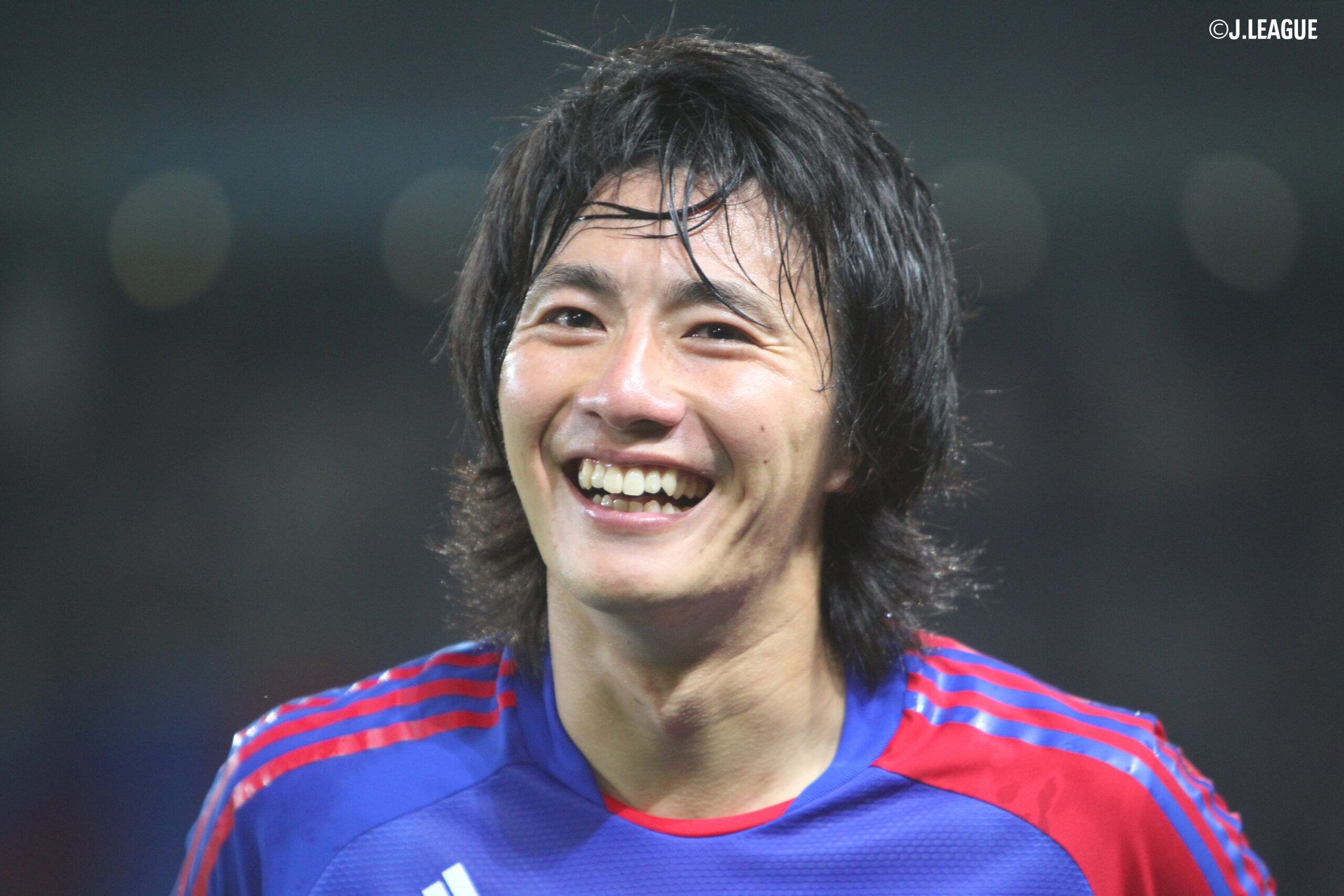
Q. Could you please tell us how you feel now that you are returning to FC Tokyo, where you started your professional career?
A. By a fortunate connection, I have been appointed as FC Tokyo's Global Business Strategy Advisor this time. After being involved as a JFA/J.League Special Designated Player from the 2008 season and playing for about nine years at Tokyo, I transferred to Vissel Kobe, Sagan Tosu, and Yokohama FC. Currently, I am the coach of Auckland United FC's U-23 and U-17 teams in New Zealand.
Although Japan and New Zealand are far apart, I feel a connection in being able to work again with everyone at FC Tokyo, where I started my professional career, albeit in a role different from that of a soccer player. I am excited and also a bit nervous about what I can contribute to the club, what kind of chemical reactions I can bring about, and how I might be able to do things differently from when I was a player.
Q. Having experienced many clubs, what kind of club is FC Tokyo to you?
A. I have strong feelings for each club I have been part of, but FC Tokyo is where I started my professional career. It began with participating in training during my student days, and even after practice, I spent a lot of time at Kodaira Ground talking with the club’s business staff about the club, myself, and the club’s direction. Not only on the pitch but also off it, I had deep experiences with many people including club staff, players, the development department, business staff, local community members, and government officials. It feels like a presence at the center of my heart, like family—an inseparable bond.
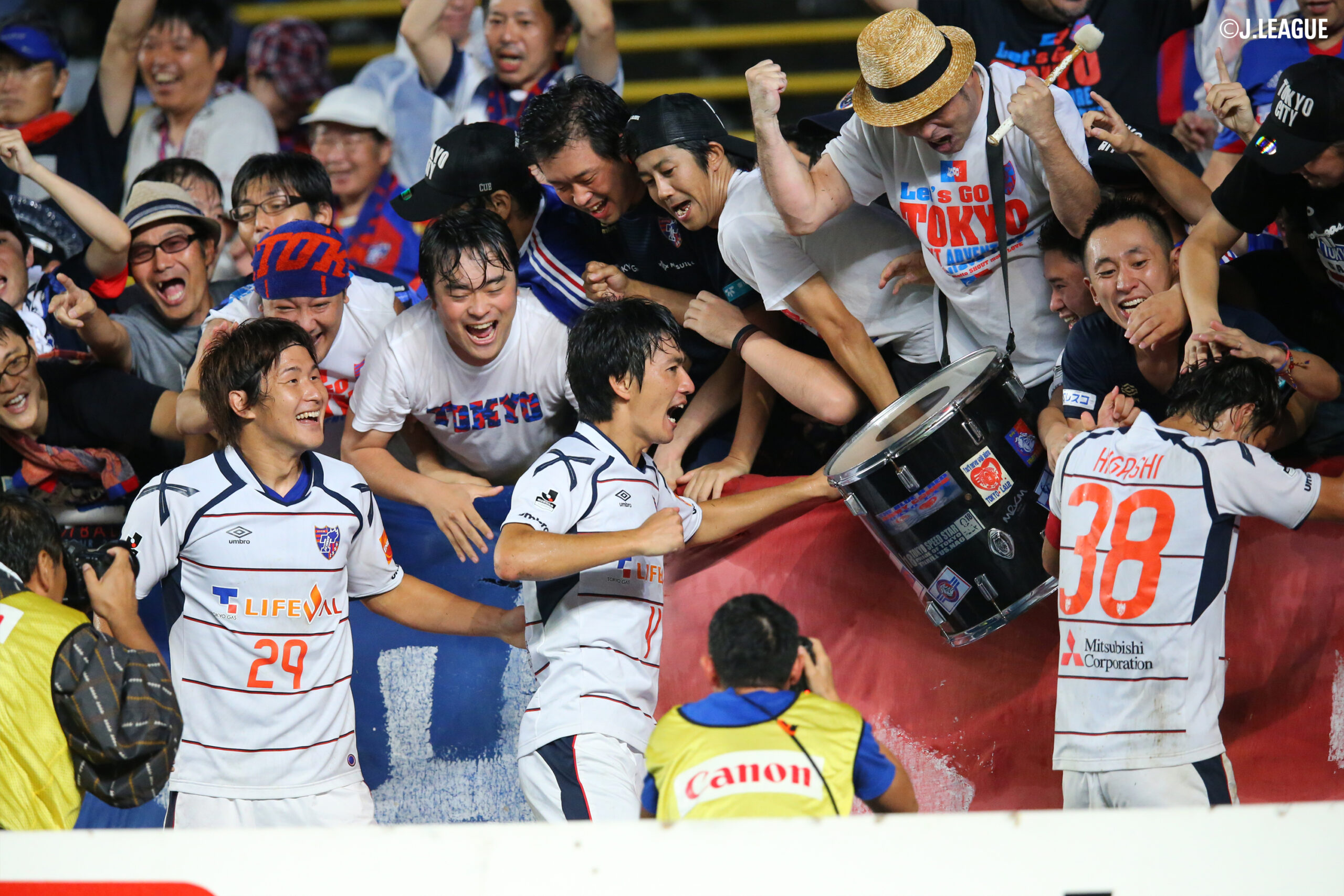
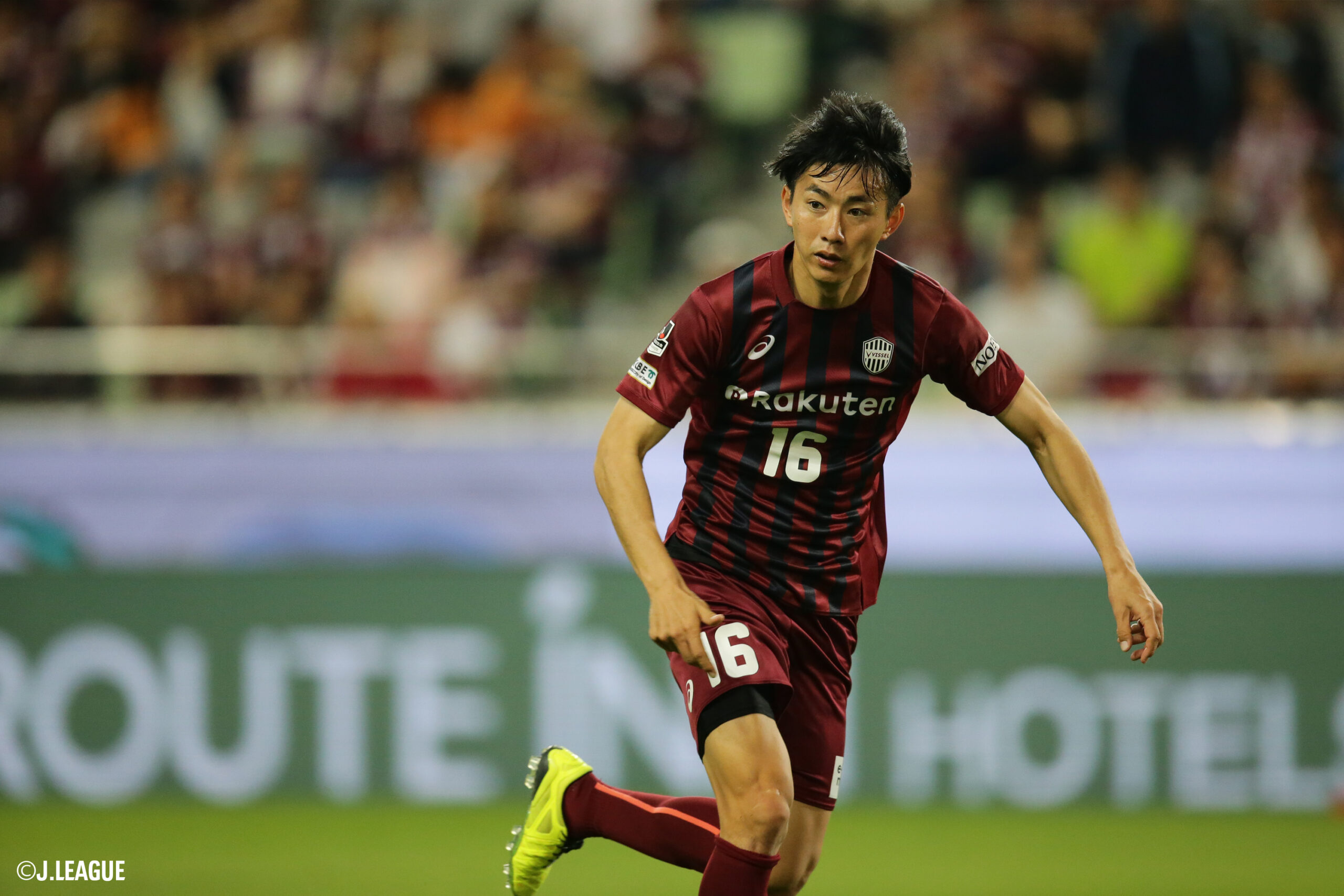
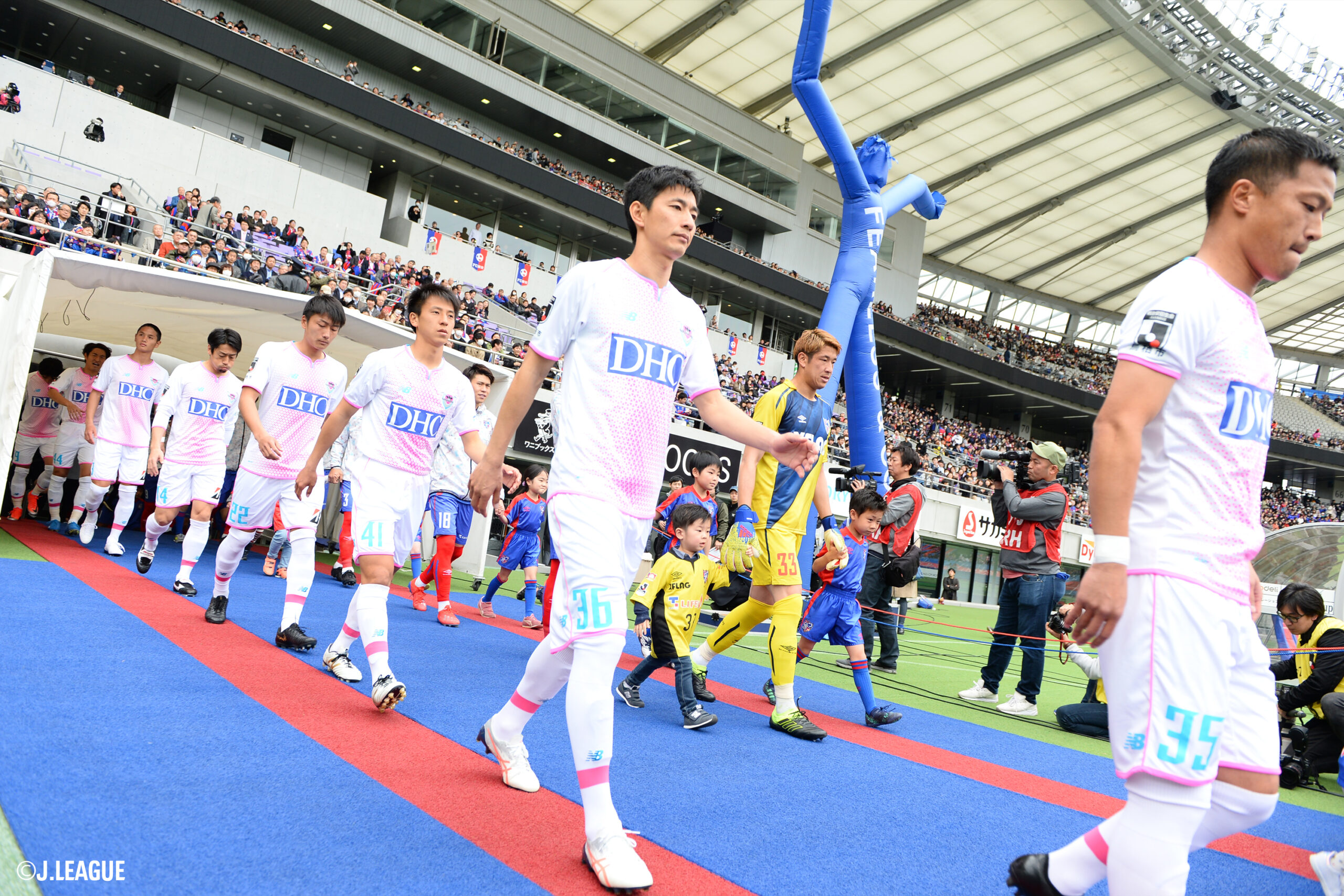
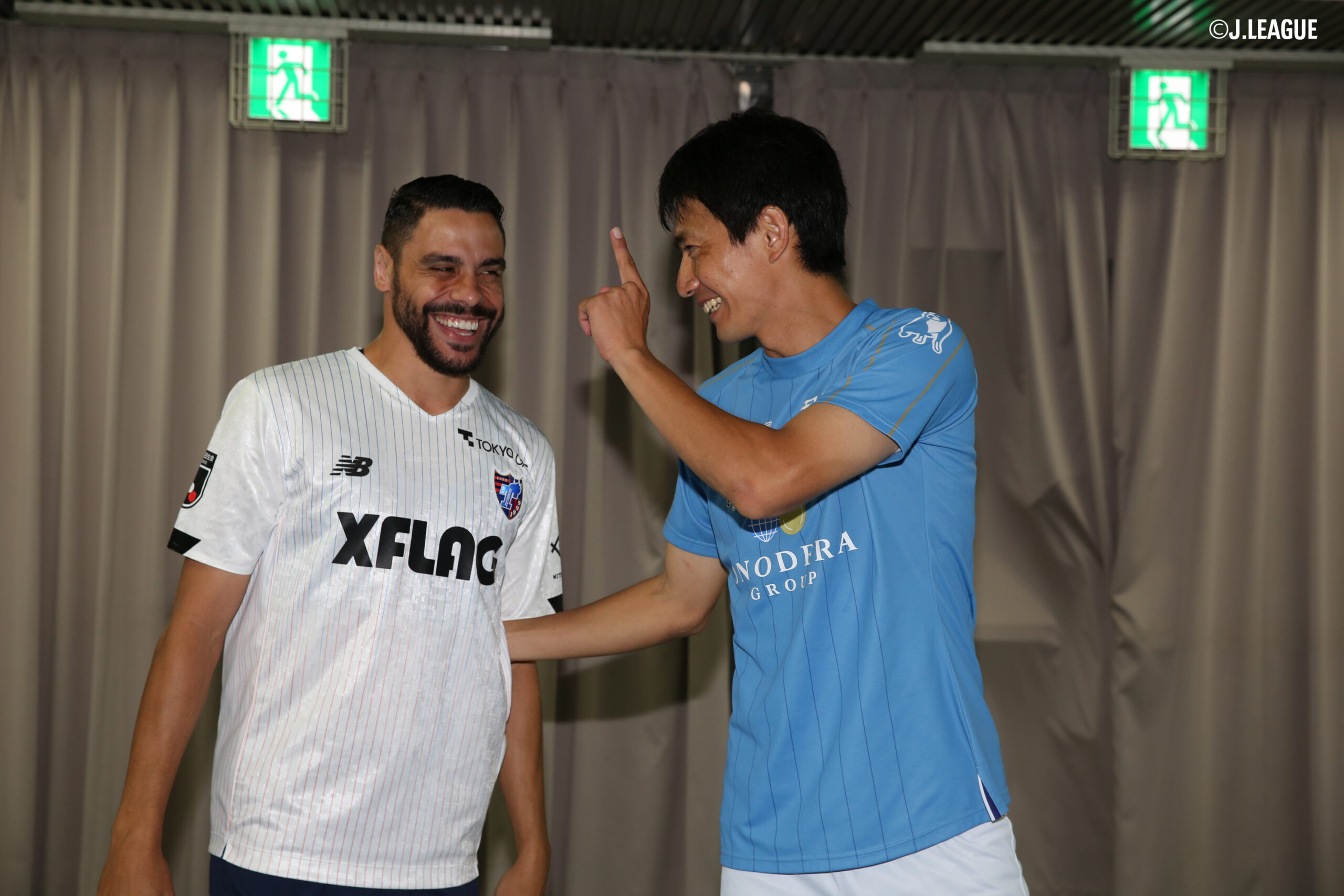
Q. What image do you have of the role of Global Business Strategy Advisor, and what do you hope to accomplish?
A. There are two main points. The first is inbound. As the number of foreign tourists visiting Tokyo continues to increase, I want to support enhancing the club’s revenue, value, and appeal by having them watch FC Tokyo’s matches and become fans and supporters. Living in New Zealand gives me a unique perspective on the differences in Japanese values and culture, and I hope to help convey Japan’s greatness to the world. Currently, meetings are mainly held online, but when I return to Japan, I want to participate directly in events and meetings to engage more deeply.
The second is international exchange. I want to serve as a bridge between the children I coach in New Zealand and the players of FC Tokyo’s academy. I believe that by having the earnest and socially perceptive Japanese children interact with overseas children who clearly express their feelings and emotions, they can mutually inspire and learn from each other. I also have experience from when Auckland United FC toured Japan and played practice matches against FC Tokyo’s academy, so I want to build on that and create memorable international exchange opportunities for young players from both countries.
Q. Regarding inbound, what specific things do you think can be done?
A. Although it has only been a short time since my appointment, I believe it is essential to devise ways to clearly convey FC Tokyo's value and appeal in English. I want to consider what the best methods of exposure are. The word "Tokyo" has a higher global recognition than people living in Tokyo might think. Living in New Zealand, the image of Japan is strongly associated with "Tokyo," and I want to leverage that name value to concretely advance efforts that enrich and expand FC Tokyo's value.
Q. What kind of image does FC Tokyo have from overseas?
A. Partly because I live in New Zealand, but as a premise, professional Japanese clubs are not very well known, and the reality is that very few people know about FC Tokyo. Rugby has a strong following in New Zealand, but in recent years, interest in soccer has been growing. However, due to historical ties with the UK, many children support the Premier League, and when asked "Which team do you support?", names like Liverpool, Chelsea, and Manchester United come up. Among these, the recognition of the Japanese professional league and FC Tokyo is still low, so I hope it will become known not only in New Zealand but also in various regions such as Asia, Europe, Oceania, and South America.
Q. What are the attractions of soccer and the countries in the New Zealand and Australia region?
A. First of all, people are very easygoing and don’t sweat the small stuff, so they don’t require much consideration. They clearly express what they think but hold no grudges. The culture of forgiving others or simply switching gears with a “it can’t be helped” attitude is very appealing. Also, they place great importance on family time and have a clear distinction between work and personal life.
New Zealand is a country of immigrants where people of diverse nationalities coexist. In children's classes, there are various nationalities such as Japanese, Chinese, Indian, Chilean, and Korean. Within this environment, there is a culture of accepting diversity and living cooperatively. In terms of football, the quickness, ball control, and game-reading ability that Japanese players possess stand out here, making it an environment where they are easily recognized and valued as football players.
Q. What impression do you personally have of the current FC Tokyo in terms of football?
A. I watched the last home game of last season in person. Although that match did not have a significant impact on the standings, the number of attacks toward the goal increased in the second half, and it was enjoyable to see an open style of play. For fans and supporters, last season might have been frustrating as the team was unable to reach the top ranks again. However, under the management of Rikizo MATSUHASHI this season, the number of times the team gets involved in goal-scoring opportunities and makes forward runs into the penalty area has increased, which I find quite interesting.
Q. You played together with Masato MORISHIGE, Yuto NAGATOMO, and Keigo HIGASHI, who are still on the team, right?
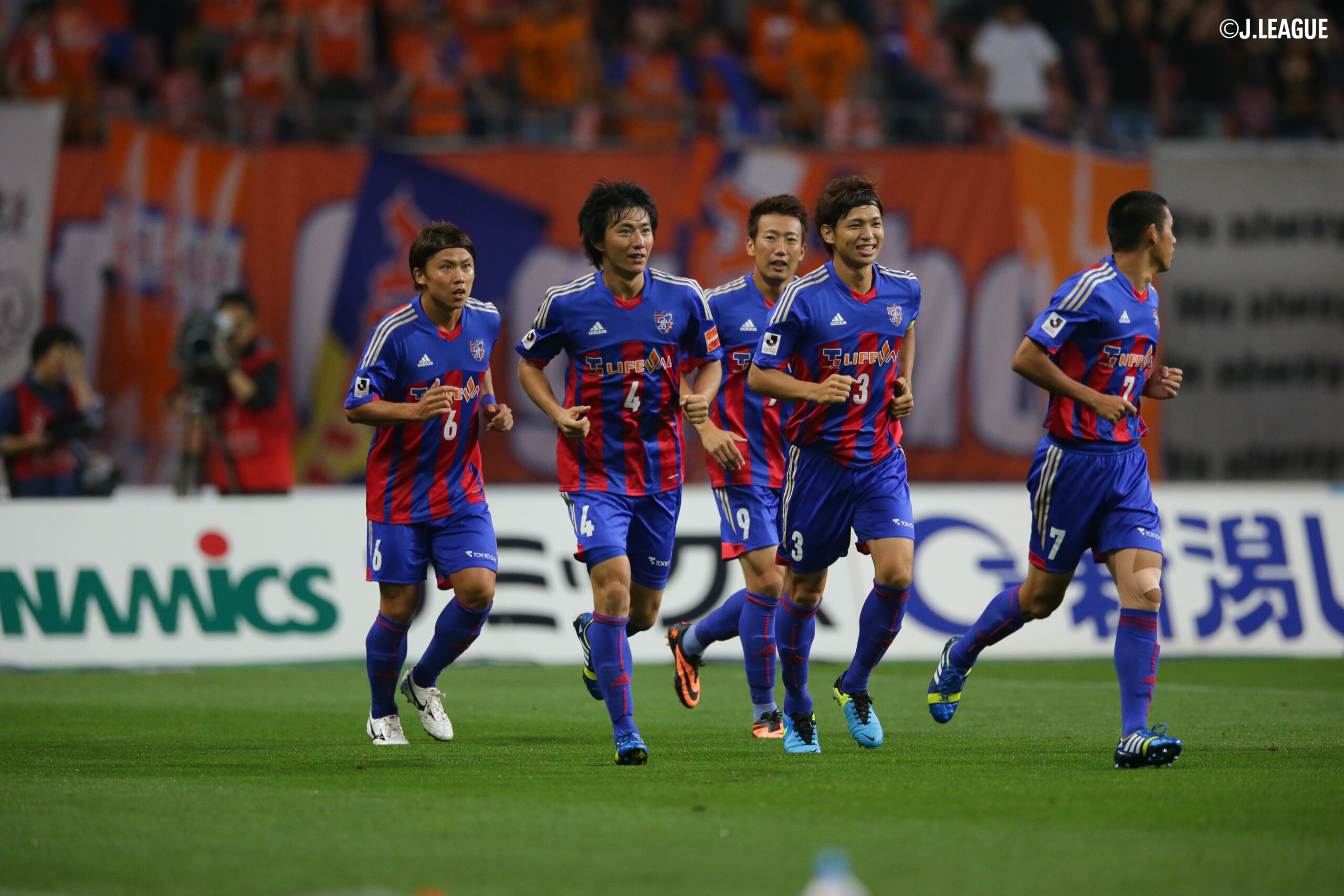
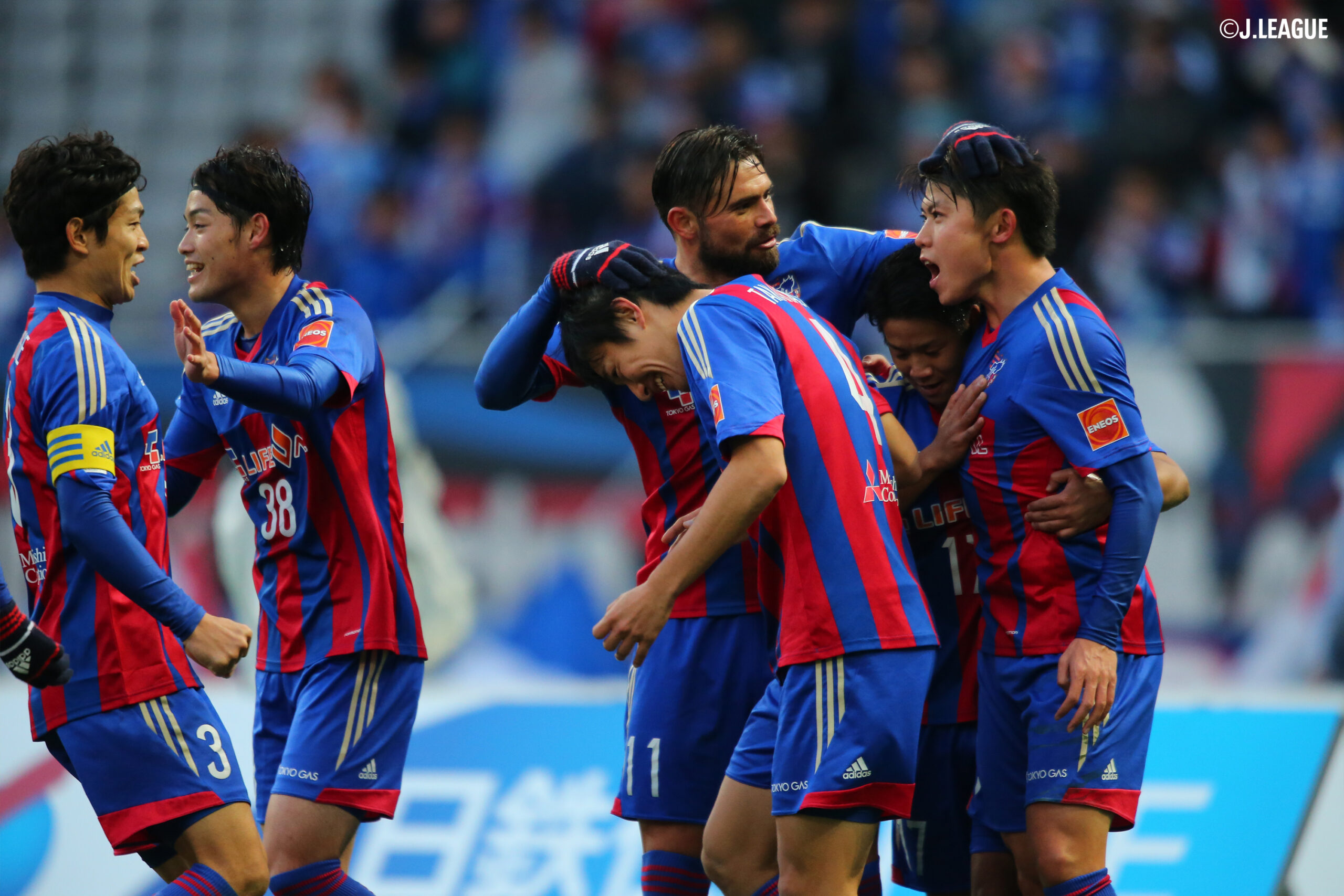
I played with NAGATOMO since he was a special designated player in the 2008 season, and we also played together on the Japan national team afterward. MORISHIGE is the same age as me, and we played together for a long time; I also remember discussing winning titles with him, and I consider him a good rival. HIGASHI also wears the number 10, and I feel that FC Tokyo remains solid because of these three. Seeing the veteran players working hard was very encouraging for me, especially since I was a player until last season. Also, I played with Kim Seung-gyu in Kobe, and goalkeeper coach Shota YAMASHITA was my university classmate. Including the staff in the strengthening department, there are still many familiar faces.
Q. Please give a message to the fans and supporters who are happy about your return, Mr. Takahashi.
A. It’s a bit embarrassing to say 'I’m home'... but I’m truly happy to be able to be involved again with the club and the fans and supporters who have taken care of me like this. From my inexperienced student days, I was supported by many people, received encouragement and criticism, and was given various experiences, which have shaped who I am today and also became the trigger for my challenge in New Zealand.
The experience of learning from others and conveying that knowledge to people has led to my second career as a coach. Being involved with FC Tokyo in a new role different from that of a player or coach truly feels like fate. What I once hoped might happen someday has now come true, and I find life deeply moving once again. Although I have not yet accomplished anything major, I am very happy to be able to be involved again like this.
Q. When you return to Japan, will you also do commentary (as Takahide-sensei) again?
If given the opportunity, I will provide candid and thorough comments (laughs).