

FC Tokyo, having successfully made a strong start with three consecutive wins including a penalty shootout, faces Kashiwa Reysol, who finished second in last season's Meiji Yasuda J1 League but have struggled with three straight losses in the special tournament. Although the two clubs are in contrasting situations, it is also true that there are many similarities in the direction and philosophy each team aims for. What kind of objectives have both sides pursued on their journey? By analyzing their respective paths and current states, we want to discern the key battles that will determine the outcome of the match.
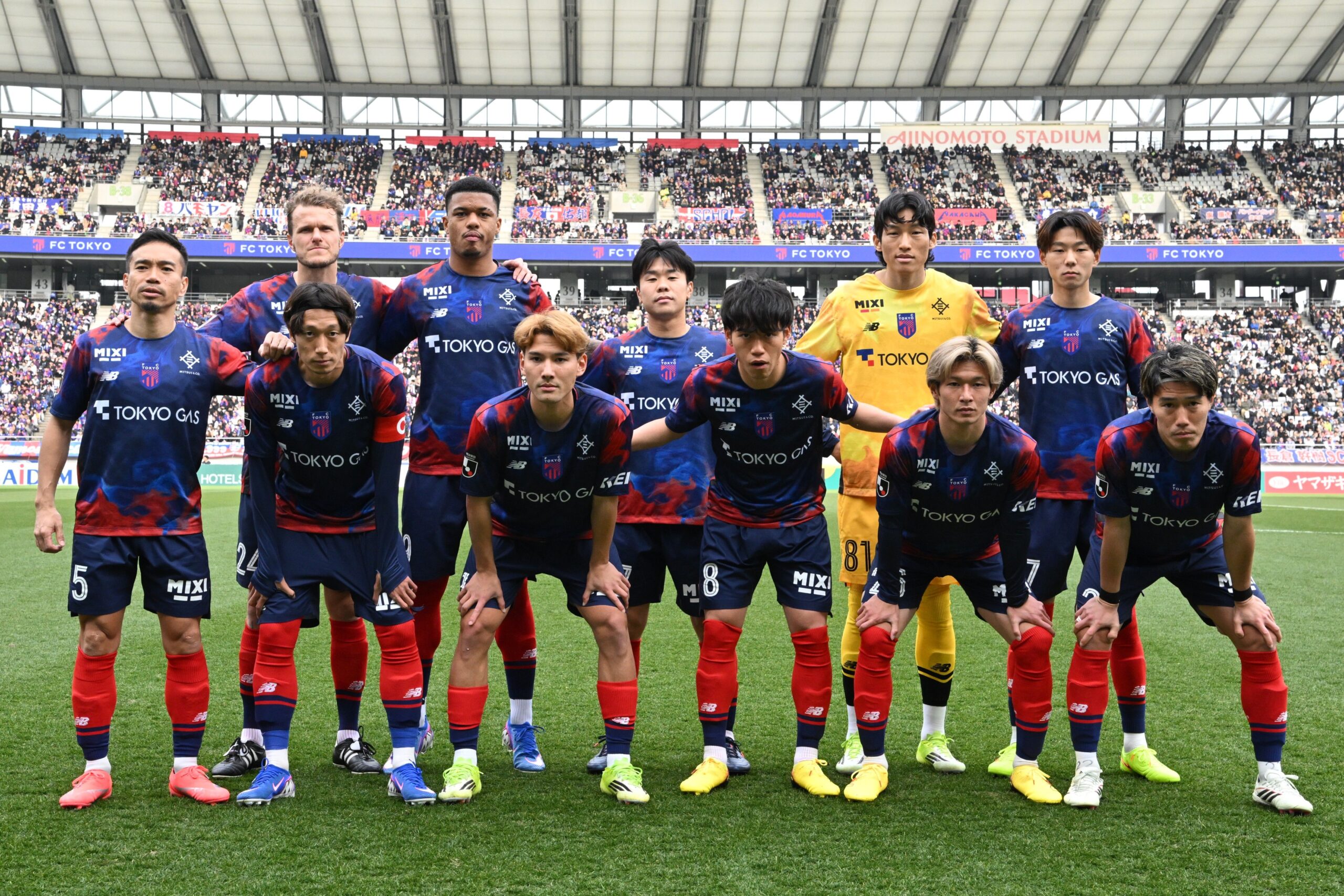
Will the blue and red capital clubs build their confidence, or will Kashiwa’s Sun King raise the banner of counterattack──?
A battle where the intentions of both clubs intersect is about to begin.
The starting point for both FC Tokyo and Kashiwa Reysol was the desire to realize "attacking football." It can be said that in the several seasons they fought toward that big goal, they also shared the same past of repeatedly stumbling.
Kashiwa was the first to break free from that negative cycle. Although they were caught up in a relegation battle in the 2024 season, last season they turned things around and competed for the championship. Takanori NUNOBE, the Football Director (FD), described the prologue of that story as follows.
"The start was clarifying what kind of soccer we want to play."
A roadmap was formulated, and three conditions were set for hiring the coach entrusted with it. Having a clear play model. Always having an attitude of exploring 'good things' together with the club. And being a coach who raises the passion of players and staff. They succeeded in persuading Coach Ricardo RODRIGUEZ, who matched these three profile criteria, with the words, "Let's create a new REYSOL together."
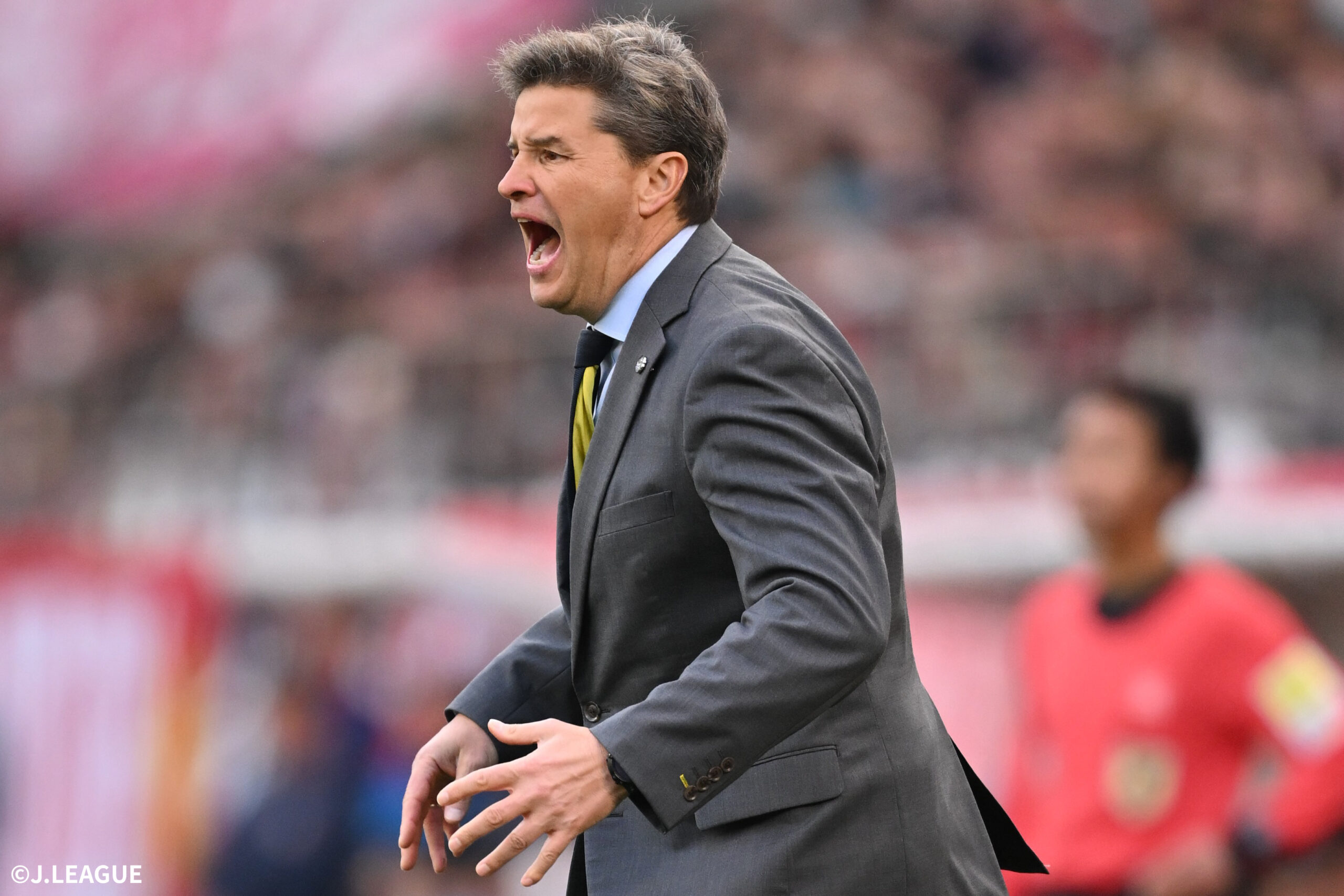
From there, after repeated discussions with the new head coach, they moved on to investigating players who fit the tactical style combining positional play and high pressing that they aimed for. They also gathered various information by interviewing people connected to clubs the coach had previously managed. On top of that, they said, "We placed great importance on the players' character so that they could perform well from the first year, and proceeded to list mainly Japanese players." Except for rookies, the squad was assembled mainly with mid-career players who understood the tactical style and had experience playing together before. Additionally, Kashiwa has a philosophy of valuing the ball from the academy level. Amid a shared language familiar since childhood, they succeeded in instilling the new coach’s tactics.
FD Nunobe, keeping mid- to long-term goals in mind, made the following request to the new head coach.
“We aimed to establish a style that is fun to play and enjoyable to watch. That is why, from the first year, we asked Ricardo not for results, but for the ‘color’ of wanting to play this football and to continue with this football.”
That is precisely why they did not run away from the many obstacles they faced along the way, but instead created a cycle of overcoming challenges while deepening their attacking style. As a result of persevering through this process, they finished in second place last season. The team advanced to the point of being just one step away from winning the league title.
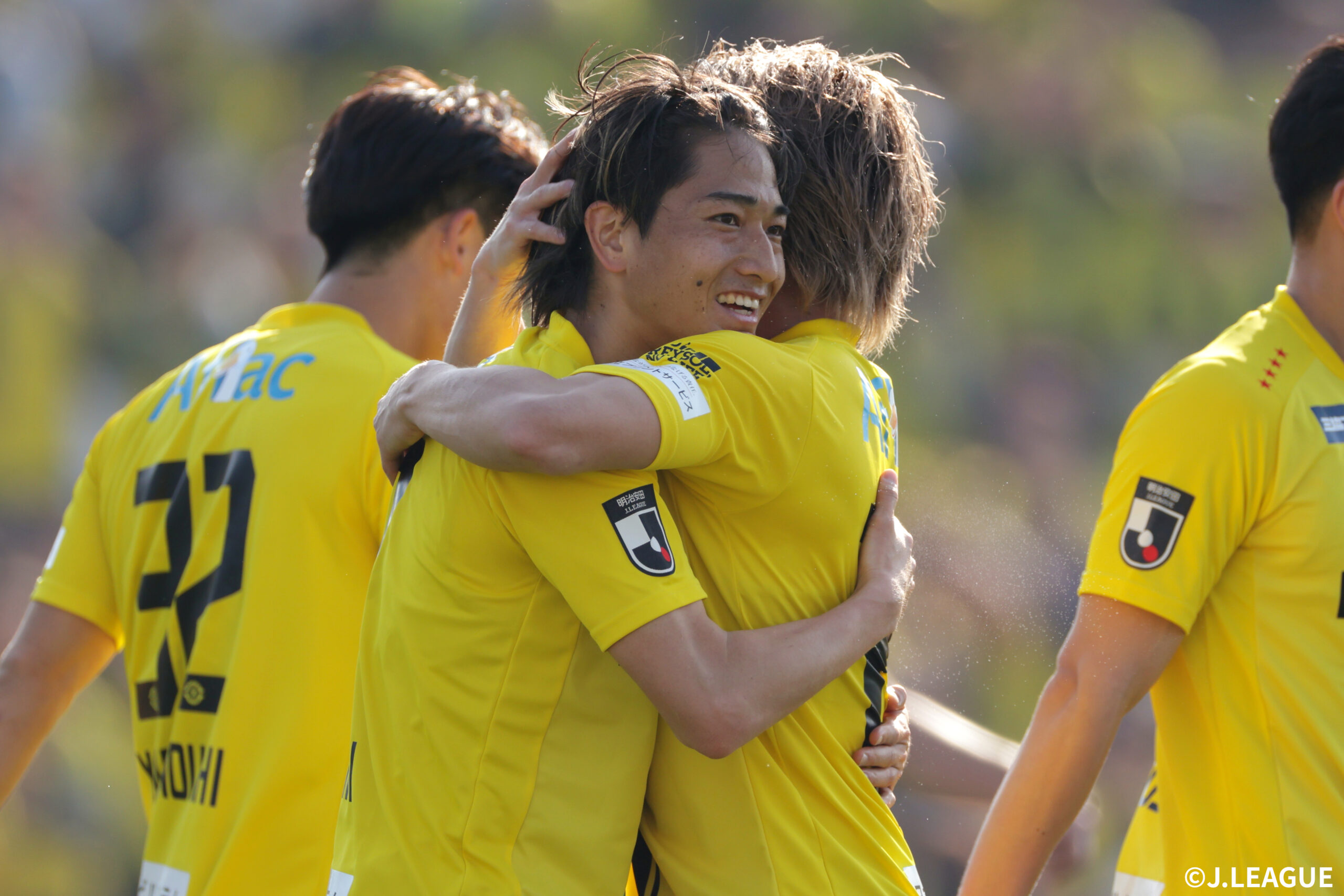
At the same time, clear challenges remained. While players who excelled in a ground-based style gathered, there were also matches where the weakness of lacking height was exposed. Because they stuck to an attacking style, there were quite a few games where their vulnerable defense was targeted through direct play. Toward the end of the season, FD Nunobe spoke on behalf of the coach about the words he conveyed to the team.
"Ricardo increasingly used the phrase 'Let's aim for perfection' toward the end of last season's league. Our identity lies in playing offensively, proactively, and intentionally. However, there were more words about thinking for ourselves to play in ways that annoy the opponent and engage in tactical maneuvers. The players becoming able to proactively play by understanding what annoys the opponent contributed to our strength in the final stages. We pull back, defend solidly with a block, and then launch counters. We want to aim for a perfect team that has such balance."
On the other hand, the red and blue capital club, which appointed Rikizo MATSUHASHI as head coach from last season, may be said to have aimed for the same destination, even though the paths they took were different. Rather than the style he employed during his time at Albirex Niigata, Coach Matsuhashi has devoted himself to building an original style at FC Tokyo. After much trial and error, this season he is in the midst of strongly adding his own touch to that style, aiming to fuse the essence of Tokyo with Matsuhashi’s unique influence.
In recent years, in the major European leagues, a style that excels in just one aspect is no longer enough to reach the title. Teams that are close to perfect, possessing everything at a high level, rise to the top. Sei MUROYA, who leads the team as captain from this season, has witnessed this trend firsthand on the front lines. Therefore, understanding the coach’s intentions, he utters these words.
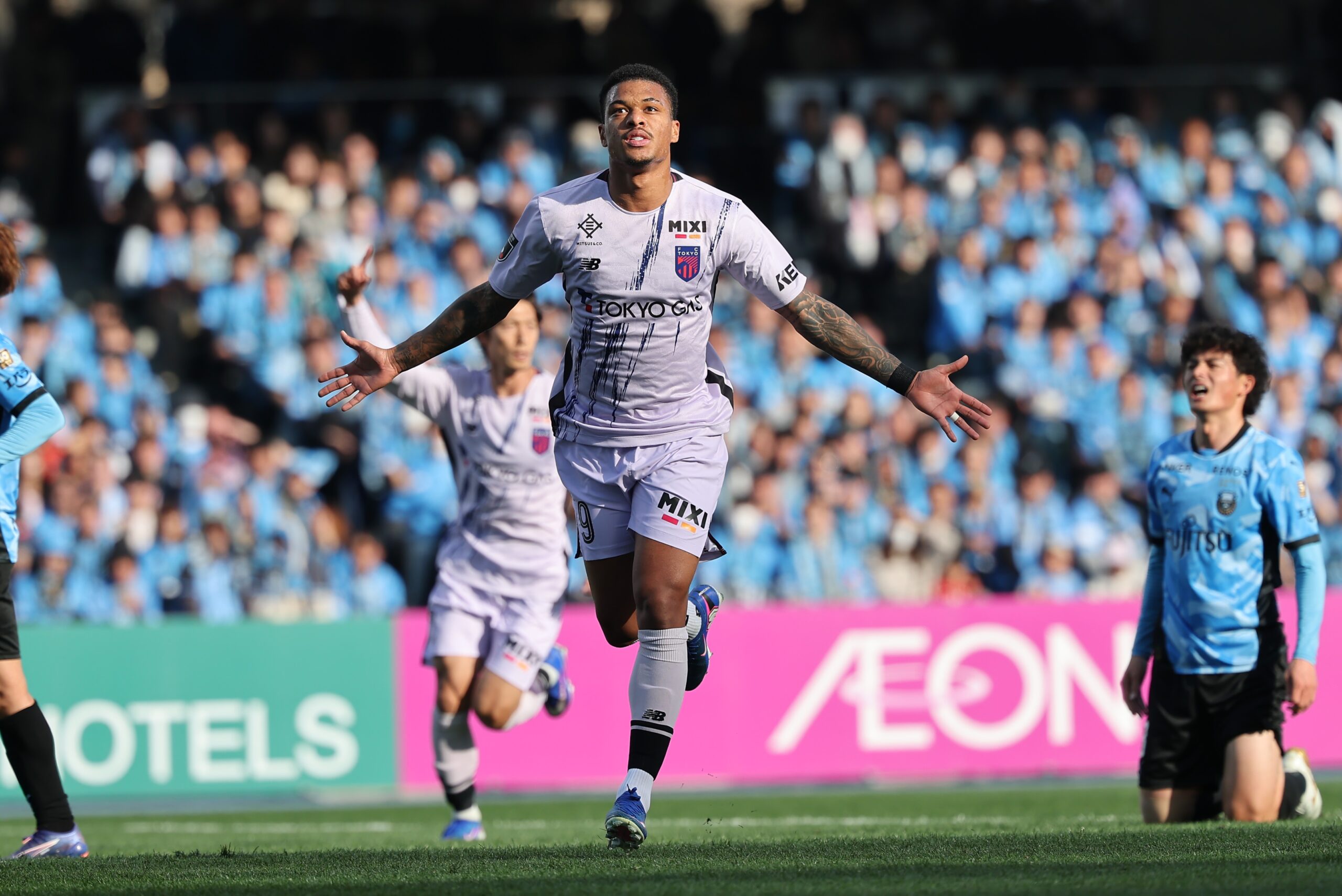
“What we always talk about within the team is that build-up should not come first. Tokyo has many fast players like Marcelo RYAN, so I don’t think it’s really about build-up that much. I believe we should have a form of build-up as one way to avoid pressing, but essentially, it’s about how to move the ball as quickly as possible toward the goal. Tokyo has players who can run and the defensive intensity doesn’t drop. Tokyo is no longer just a team that simply connects passes. In this era, if you can’t do everything, you can’t win in any league. Even if you look at the English Premier League, there are no teams that only focus on connecting passes. I want to add build-up within a more efficient forward-moving approach to this team, and I want us to become that kind of team. Riki-san hasn’t been saying to just keep connecting passes all the time either.”
The Blue-Red and the Sun King. Though their paths have differed, their starting point and destination are the same. Midway along that path, the two will face each other this time. Here, we should find out at what stage each has arrived.
Now, the battle begins. Both sides will likely start by launching counter-pressing in the opponent’s territory. Which side will skillfully evade that? Kashiwa, with their experience advantage, will change their positioning multiple times depending on the opponent’s moves. Because their formation is not fixed, Tokyo must quickly assess the situation to determine the best moment to seize the ball.
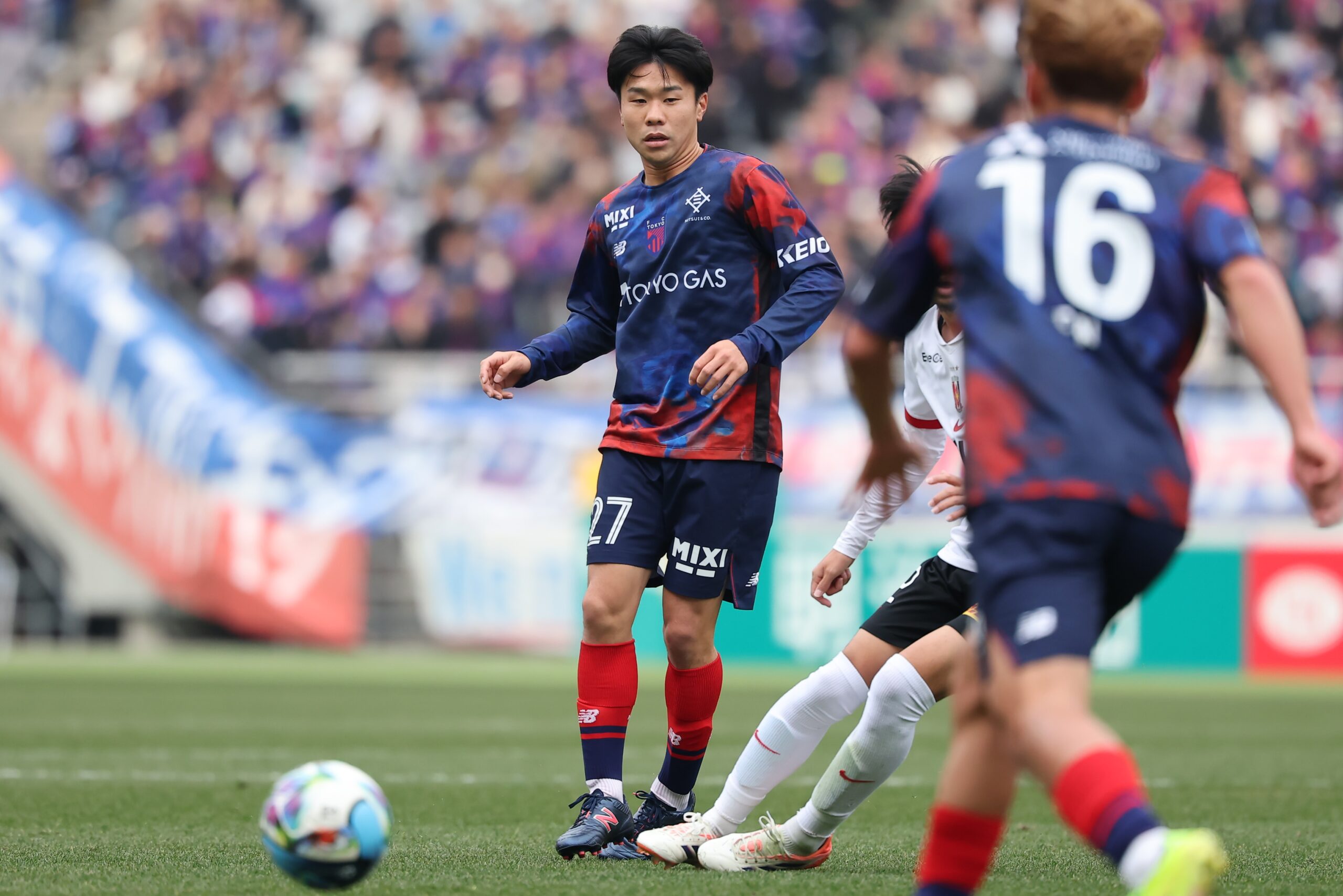
Kojima, who serves as the enemy’s last line of defense, and Koga, positioned one line ahead, instantly transform into playmakers once they have the ball. Koizumi, who skillfully gets involved with the ball, is a troublesome presence there. The ideal candidate to send as an assassin against them is Kento HASHIMOTO. However, besides HASHIMOTO, there are other hunters ready to snatch the ball. The player we want to appoint as the conductor controlling them is the rising star Kyota TOKIWA. Since he himself possesses the ability to steal the ball, it will be interesting to see how he lures the Sun King’s eleven into traps.
The battle on the flanks is also a highlight. Kubo, Omi, and Yamanouchi possess excellent breakthrough ability, but when it comes to one-on-one situations, the defensive skills of Yuto NAGATOMO and Muroya provide a solid foundation. However, Kashiwa’s stoppers positioned on both sides of their three-back formation act as a “second arrow” attacking fiercely. How to overcome that has been a headache for their opponents.
Where are Kashiwa’s blind spots? They struggled with member selection due to many players being unwell or injured, resulting in three consecutive losses at the start of the season. However, it is likely that the core members from last season will be assembled for this match. From Tokyo’s perspective, they want to exploit the current weaknesses in set pieces, which have yet to be sufficiently improved, and the vulnerability to direct play.
However, scoring from set pieces has been an issue for Tokyo since last season, and the accuracy and sharpness of the set plays they have been building up since camp will be put to the test here.
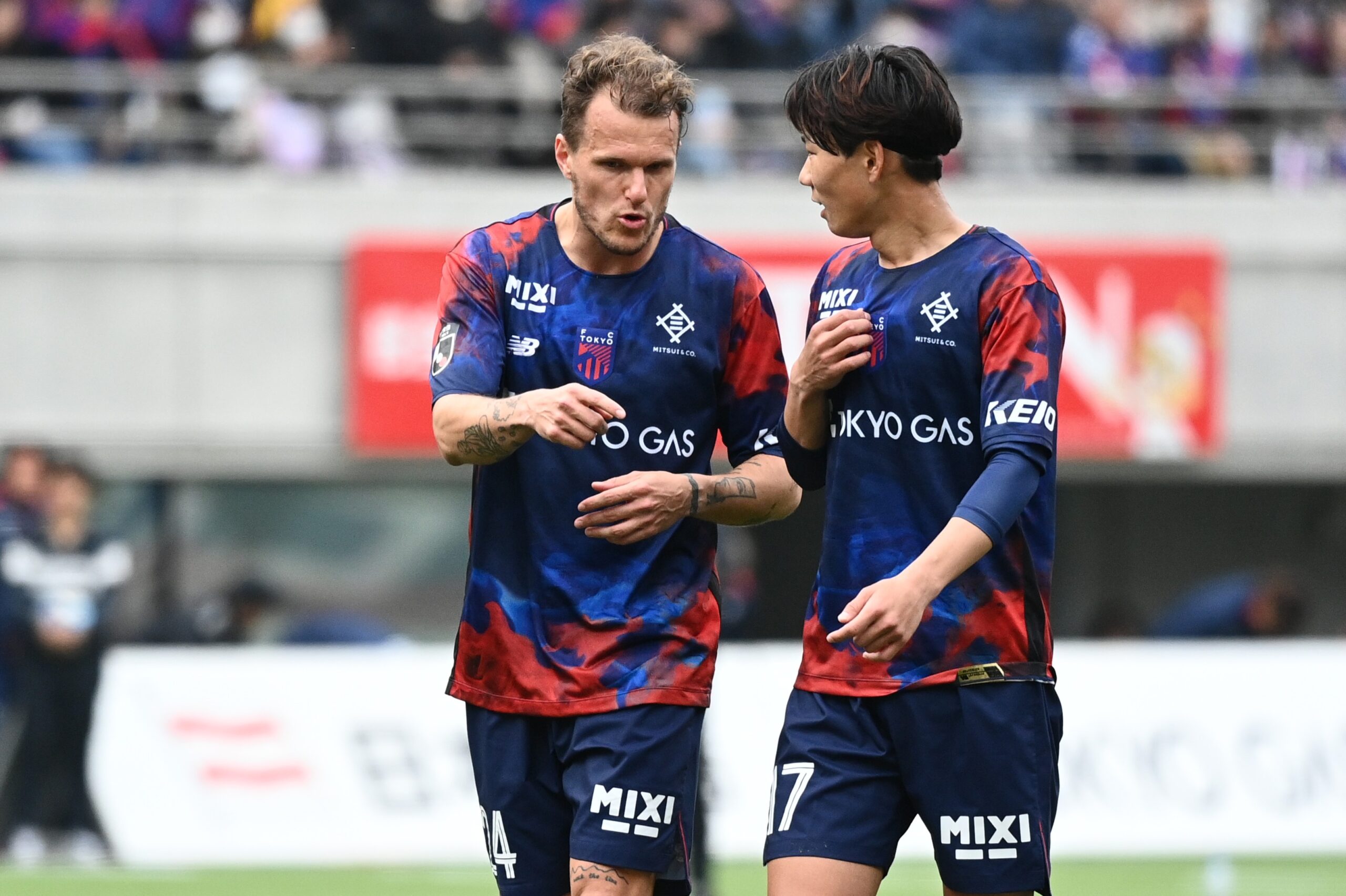
Attacking by drawing the opponent deep into their own half is the playstyle that Kashiwa dislikes the most. In exploiting their vulnerability to direct play, Tokyo has the ideal player in Hian, who scored his first goal in the previous match. The matchup against Koga, Kashiwa’s defensive linchpin, will be a crucial localized battle that could decide the outcome. The deliberate tactic of drawing the opponent back and delivering quality balls to the front line from Alexander SCHOLZ and Hayato Inamura in a “pseudo-counterattack” will surely be a threat to Kashiwa. However, Koga is determined not to yield an inch, stating, “First, not losing in my area and ensuring the organization doesn’t give freedom is one of our themes. We want to show how we will fight against opponents who troubled us throughout last season.”
An unblemished "4 consecutive wins," or the first victory──. Can they decipher Kashiwa's positional play (strategy) and surpass it with tactics (tactics)? The team that comes closer to "perfection" will be the one to triumph.
Now, the die has been cast.
(Honorifics omitted in the text)
Text by Kohei Baba (Freelance)