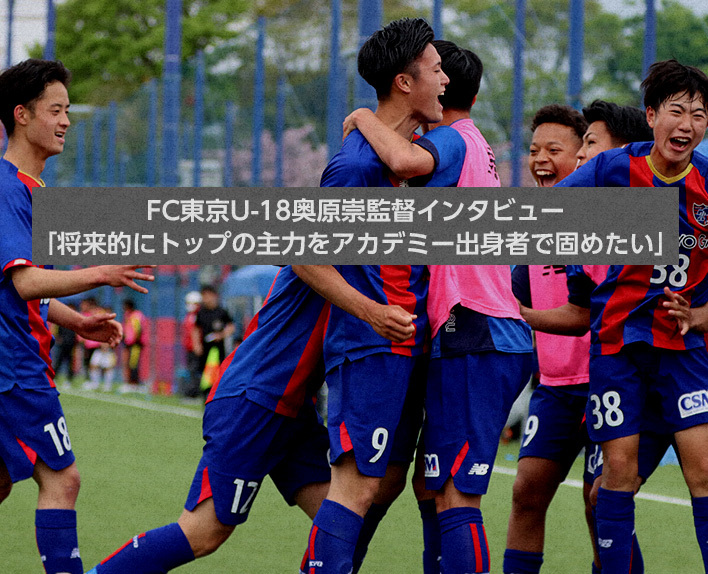


FCTokyo U-18 Manager Takashi OKUHARA Interview
"We want to strengthen the top team with academy graduates in the future."
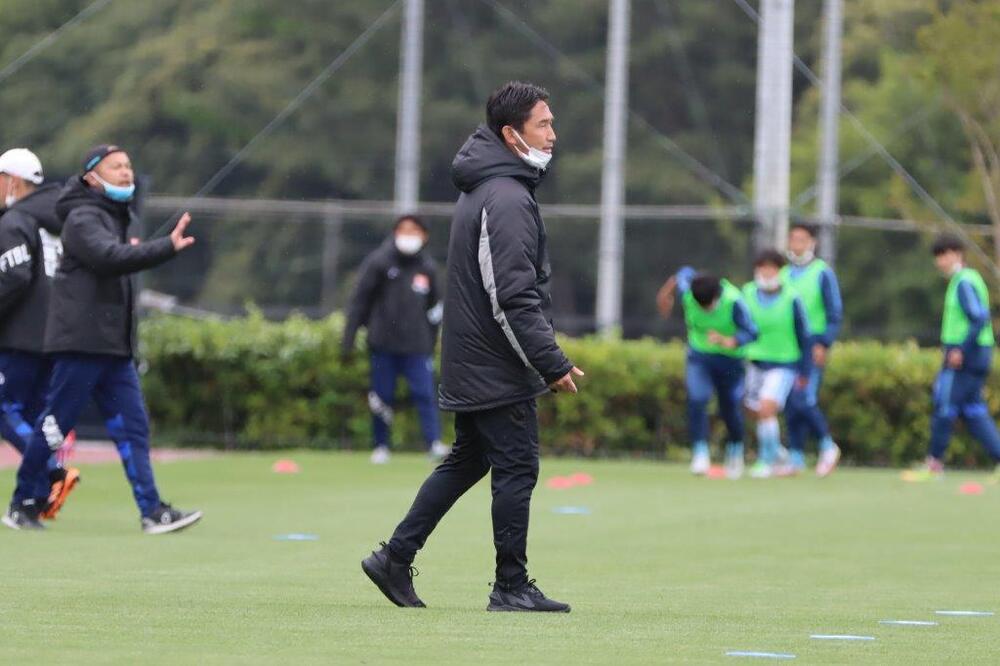
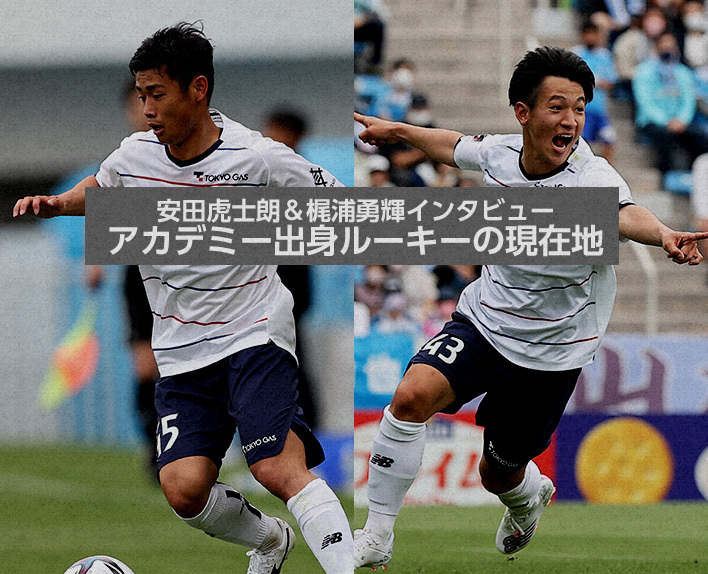
In the J League YBC Levain Cup, Kojiro YASUDA, who was promoted from U-18 this season, was appointed and Yuki KAJIURA scored a goal. In addition, academy graduates such as Renta HIGASHI and Naoki KUMATA, who are registered as 2nd team players, are also gaining playing opportunities, and the performance of academy graduates in the top team is becoming more noticeable than ever before. This time, we will hear from Takashi OKUHARA, who served as the Academy Management Director and Academy Director for 5 years until last season, and became the coach of U-18 this year, about the current state of U-18 and the current situation and challenges of the academy, and what kind of presence the players who leave the academy should be at FC Tokyo from various perspectives.
Q: How do you feel about returning to coaching after a six-season hiatus since leading U-15 Fukagawa in the 2016 season, Mr. Takashi Okuhara?
A, I have been working as the Academy Director for 5 years, so I deeply understand the positioning of each team within the club and the fact that the field is supported by various things. Based on that, I am doing my job as a coach with a much stronger sense of how much weight the coach should carry on the field than before.
Q, the role of the coach itself has changed quite a bit over these 6 years.
A, yes. It is becoming more pronounced that the entire club is consistently aligning with football, more so than when I was in Fukagawa. Each club in the J-League is starting to show their own colors, and I think it's about how I can be involved in growing as an individual while adhering to the club's philosophy. It's exciting to be able to try new things.
Q, as the former coach of FC Tokyo who wore the number 10, I think you have a good understanding of the club's mindset. How do you feel about serving as the coach of the U-18 team?
A, I think there are things to inherit and things to discard. I believe that there is a meaning in being able to understand that and have the courage to discard them or take on new things. While thinking that there may be times when I have to let go of things that I have cherished so much depending on the situation, I also feel that because I know the history from the past, I am able to do such things.
Q, how do you feel about the performance of U-18 in the Premier League this season? They have had a very strong start in the early stages.
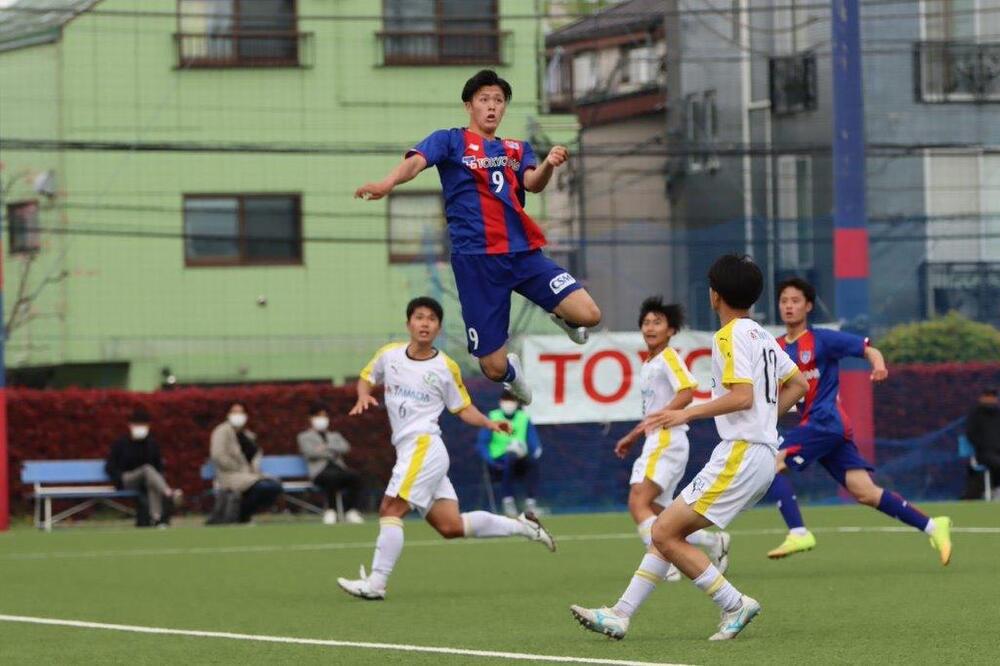
A, of course we seek results, but the most important thing is to express how much we have been able to encourage the players' development on the field. Since January, we have been working on various things. In that context, we have been saying to the players, 'Let's regain a strong U-18 team.' They are players who entered the team admiring the era when the current top players were active in the U-18 that won the Premier League during their junior and U-15 years. However, the situation has changed in recent years, and we are trying to regain that status, aiming to become a team that U-15 and school players can look up to as the top category of the academy. I believe the players are doing very well.
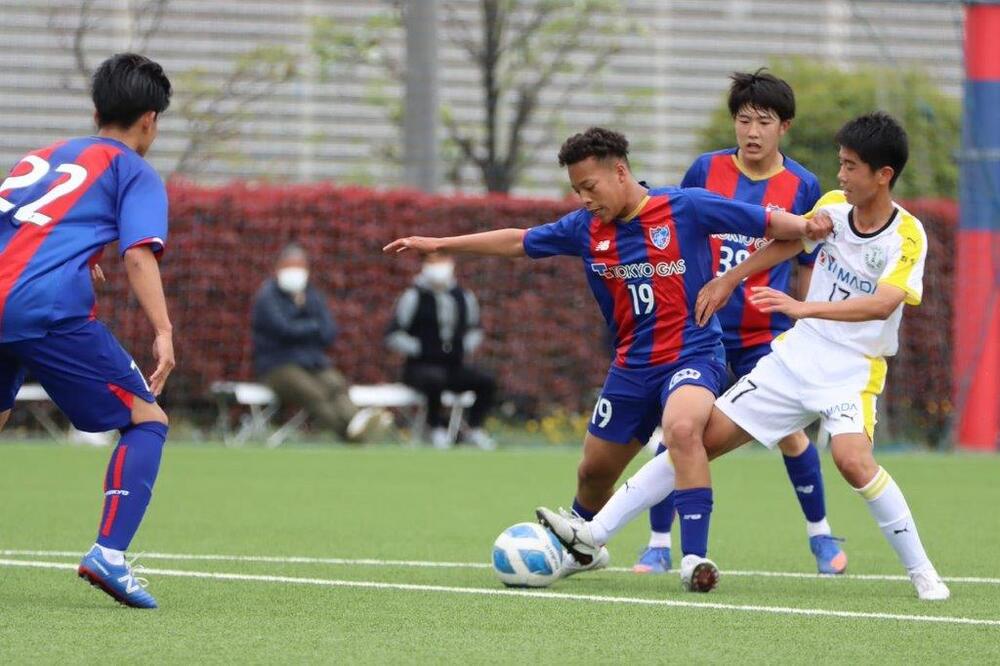
Q: Did becoming a coach from the position of a director bring about any changes in your approach to high school players?
A, when I was observing from a step back, I had ideals like "if only we did it this way," but there are difficulties when actually getting involved. Honestly, I thought it might be difficult to improve technical skills at the youth level and that changing the mental aspect would take time, but through working with the players, I feel they are changing more than I had expected.
Q, specifically, what parts are starting to change?
A, Coach Albert PUIG ORTONEDA talks about "football that loves the ball," and if we are to "increase ball possession," it is necessary to acquire the technical skills that support that. When I observed from the outside last year, I wondered, "How far can they go with technical training?" but I now feel that if we carefully build up the skills, even at this age group, it is definitely possible to acquire the technical abilities needed to become a professional in time.
<Kumada's goal, connected from the goalkeeper>
Q, by the way, the U-18 this year is energetic, isn't it?
A, what I first said was, "Playing soccer with energy is the right way," and "It's not good to be sarcastic or try to be cool and stylish." So, I started with the idea that "Since it's a team sport, let's cooperate with our teammates." To improve the part where players wanted to step forward but were held back by the atmosphere around them, we began with "Let's speak loudly" and "Let's greet each other."
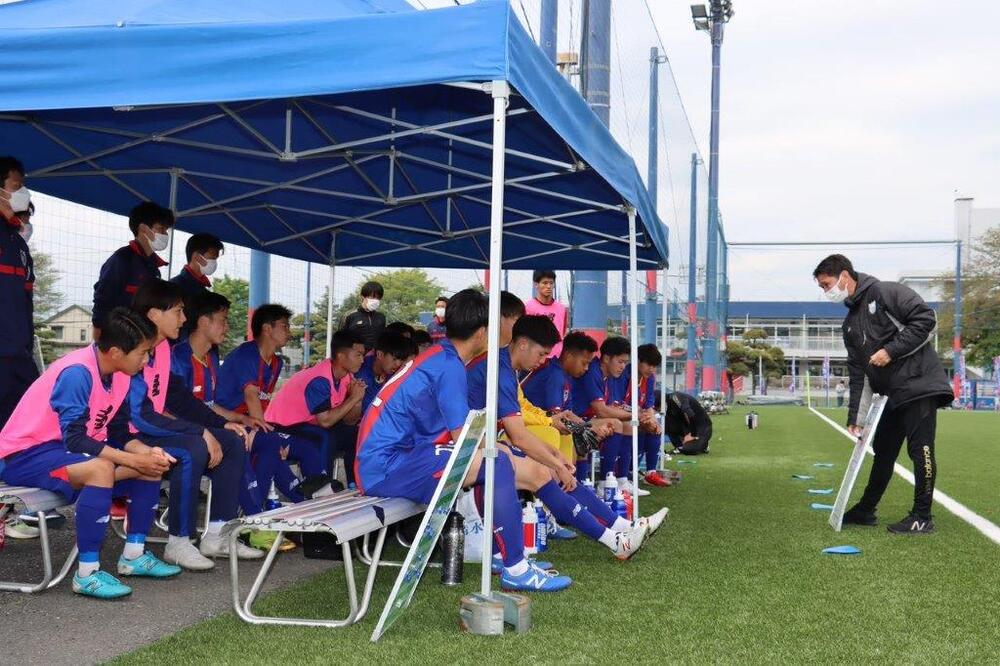
Q: Currently, there are 7 U-18 players registered with the top team. In the Levain Cup, players Renta HIGASHI and Naoki KUMATA have also played in matches. How is the current collaboration between the top team and the academy?
A: When Albert PUIG ORTONEDA came, since he is a foreign coach, I had some concerns about communication, but first, he invited the players to the camp, and because he values the academy greatly, we have been able to share various things. Specifically, we held a meeting with Takayoshi AMMA (head coach), Hiroyuki SHIRAI (individual coach), myself, and Higashi while comparing footage of Higashi playing in the Levain Cup and in the U-18 Premier League. There are slight differences in the defensive methods between the U-18 and the top team, and I personally learned from that. We maintain such close collaboration that not only the players but also the U-18 staff are learning various things and growing.
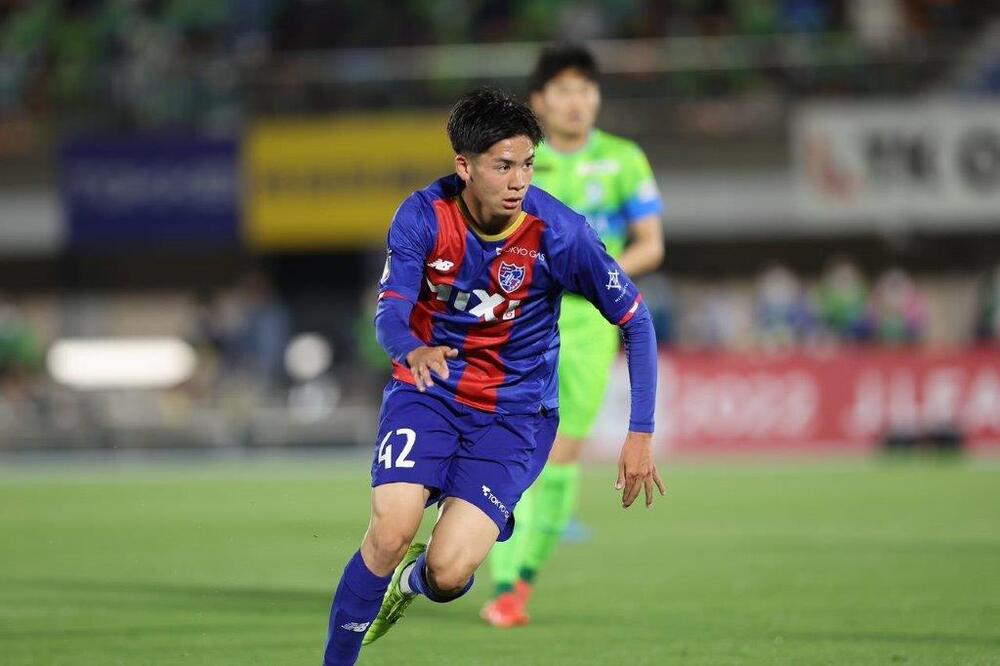
Q: How do you feel about the stimulation that players who participate in the activities of the top team receive?
A, that area is also difficult; they improve for a moment (laughs), but on the contrary, misunderstandings creep in, so I think, "Ah, they are losing their humility." Even so, it is valuable as material to stimulate them. Young players are emotionally shaken in various ways, so we work on targeting that point (laughs).
Q, it's fun to work on that point (laughs).
A: That's right. They get complacent quickly (laughs).
Q: Is there a possibility to talk to the current academy players about the personal growth of players who have moved up from the academy to the top team?
A, "We talk about players like this, who had this kind of approach," or "This player is not only skilled, but also had this kind of personality." When we actually mention names, it feels more familiar when they participate in top-level training, and because I have interacted with various players myself, I can talk about how they behaved when they were 15 years old or 18 years old.
Q, Sodai Hasukawa, who is at the top, also left an impression of paving the way for the professional path with his outstanding human qualities.
A, the greatness is precisely where his strength lies. Even during his time in U-15 Fukagawa, he only got playing opportunities in his third year, and it was similar in U-18 and Meiji University. However, he embodies the idea that if you humbly build up various things, there is something to be gained at the end of that category. In Tokyo, he has inherited a mindset similar to that of Yoshimoto (Kazunori YOSHIMOTO), and both Sōdai and Okaniwa (Shuto OKANIWA) have been engaging in activities that carry on that legacy. At the time, I was wondering, 'Is this really okay?' But considering that they are now slightly 'stuck' at the top, it may mean that we were still lacking in some areas, and I hope to incorporate even a little of the reasons for that into the current environment. I have come to understand that if we don't reach further beyond what I felt was 'the limit' for them back then, it will be quite difficult for high school and university graduates to become core members of the top team. While the number of academy graduates promoted to the top has increased, there are still few representatives and players going abroad, so I believe we need to tackle these issues head-on.
Q: In the recent Levain Cup match against Júbilo Iwata, 9 members of the team were academy graduates. How does Coach Okuhara envision their role in the first team going forward?
A, one aspect is the cost, and when considering where to allocate the budget to continue competing at the top of J1, we will indeed invest in key players, including foreign players. However, for the backup positions, we want to solidify the team with academy players who will become key or substitute players in the future. I believe we currently have enough talent for that, and I feel that is something we must focus on. Another aspect is how to create a training atmosphere throughout the year, as various situations arise at the Kodaira training ground depending on wins and losses. Whether we are on a losing streak or a winning streak, I have been thinking lately that it is the mission of the academy players to create an atmosphere where training can be effectively conducted even in difficult situations.
Q, was there any reason to think so?
A, when I recall the quality of training during the era when there were few academy players, even in practices where results were not coming through, just having Mr. Yoshimoto present was enough to keep the atmosphere from falling below a minimum level. I think it is extremely important to nurture academy players who can do that. Having also experienced the top team, I know there are tough periods and times when the atmosphere just cannot be improved, but I believe it is crucial that players who have come up from the academy can hold the line during those times.
Q, Mr. Yoshimoto is great, isn't he?
A, Azuma has been intentionally given more opportunities to converse with Mr. Yoshimoto. Although there are still many superficial aspects, I feel that he is gradually beginning to understand genuine club loyalty and true humility.
Q: By the way, Coach Okuhara also calls him "Yoshimoto-san," right? (laughs).
A, yes. Since I have held a managerial position, I address everyone, including the coaching staff, with “-san” in a professional context (laughs).
Text by Takashi Tsuchiya (Football Writer)