

Q. Please start by giving an overall summary of the season.
A. Throughout the season, I felt that the team was growing. There were several matches during the season where I felt we were able to demonstrate the foundation and performance that Rikizo MATSUHASHI, our head coach, has been building since his appointment. Although we didn’t reach the position we aimed for in the standings, I believe we were able to show matches and performances full of potential, and I am very proud of that. I also think we were able to compete in a way that allows us to approach next season with confidence.
Q. Was what you felt on the pitch a result of the buildup from last season, or was it a change starting this season?
A. Personally, I felt it was part of the buildup. I believe the foundational aspects were especially established from the latter half of last season. In addition, this season we have become able to express the team’s identity, such as by maintaining possession of the ball. I think that was an added plus that we were able to successfully incorporate into the team.
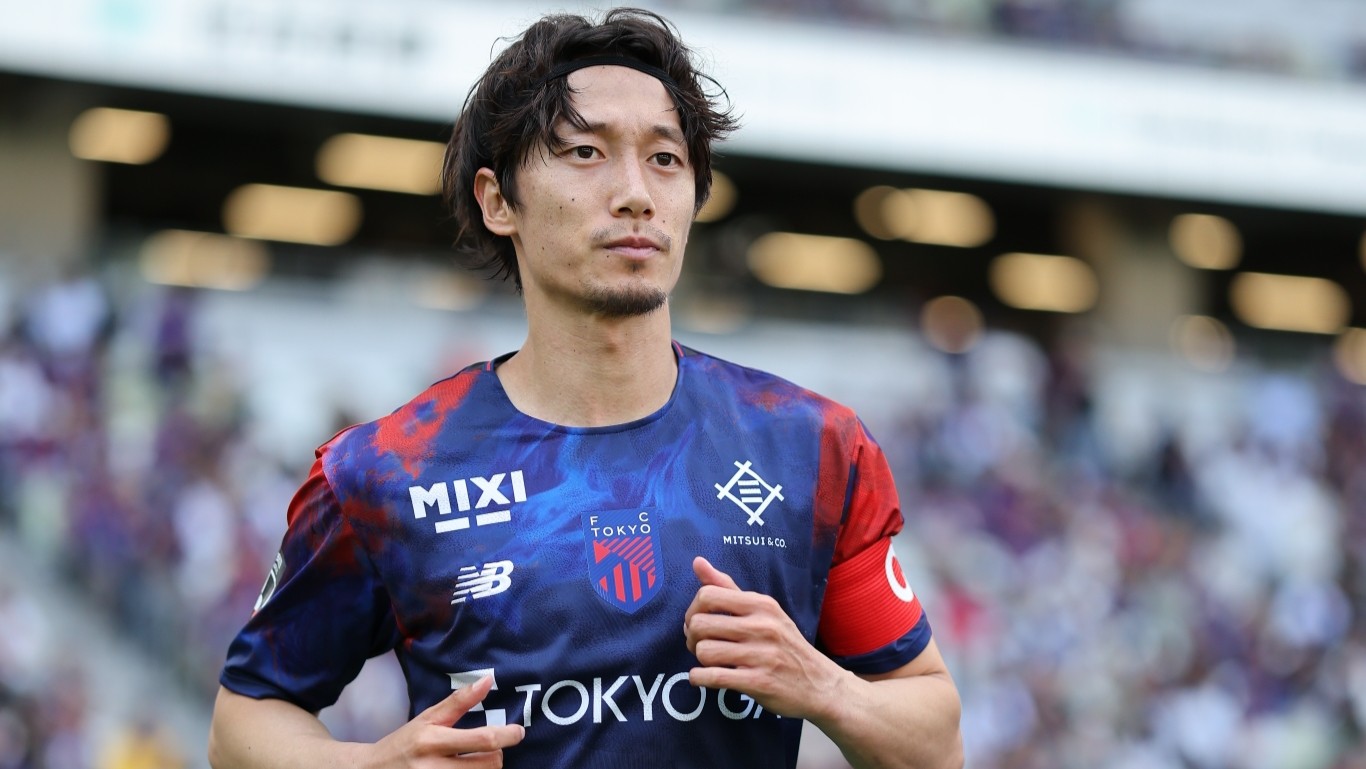
Q. Earlier you mentioned that there were matches where you were able to perform close to your best since Coach Matsuhashi took over. Could you tell us if there was a turning point or any particularly memorable matches?
A. Matches where I think 'we should have won' come to mind easily, but since we ultimately couldn’t finish in first place, there isn’t anything I can clearly say was a definitive turning point. However, the match against Yokohama F.Marinos at MUFG Stadium (Japan National Stadium) and the Tokyo Verdy match where we managed a comeback victory in a difficult situation left a strong impression. Before the Yokohama FM match, we lost to Kashiwa Reysol, but after dropping that game despite the team being in good form, we won against Yokohama FM, showed a strong performance, and were able to take back the momentum ourselves. The fact that the team no longer sank after a defeat shows the strength of our mentality and growth as a team.
One of the reasons the team was in good form was that we did not suffer consecutive losses. We were able to quickly make corrections because we firmly held onto the base that we value. Thanks to the accumulation from last season and the fact that we share a common understanding as a team about the important aspects we cherish, we were able to avoid major collapses.
Q. From the start of this season, Coach Matsuhashi kept encouraging us with the words, "Let's become a team worthy of winning the championship," and as the season progressed, I felt that players increasingly expressed sentiments like "We really want to win" and "We aim to be champions." This special half-year tournament felt within reach in reality, but how did you face and fight with your desire to win the championship?
A, Coach Matsuhashi also mentioned this, and personally, I was seriously determined to win a title. Along with that feeling, I also wanted to continuously be part of the top-tier competition and maintain a position where I could be involved in the championship race. I wanted to win, and throughout the season, I felt that the team was becoming one that could aim for that. However, at the same time, I realized that unless the team becomes one that can compete at the top every year, it would be difficult to secure a title.
Q. What did you feel was necessary to actually win the championship after competing this season?
A. I once again felt that maintaining a high level of performance and minimizing ups and downs is crucial. Watching teams like the Kashima Antlers strongly reinforces this point. From next season onward, the competition will be over a full year, not just half a year. I believe that unless we become a team that can consistently perform at this base level throughout the year and compete every season for the championship and a spot in the AFC Champions League Elite, the title will remain out of reach.
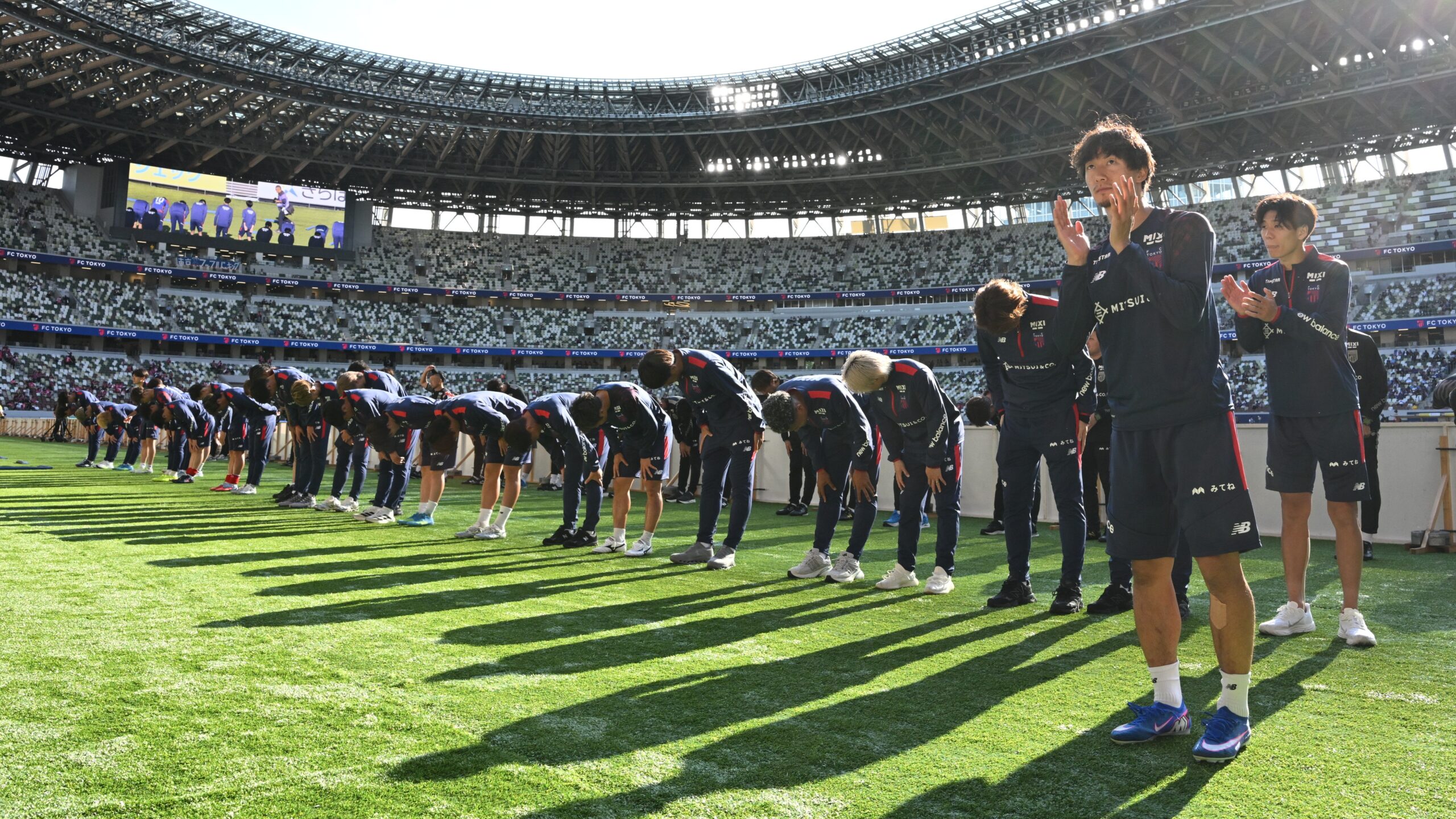
Q. You scored 4 goals individually, marking a career-high number. How do you feel about the reasons you were able to play more offensively?
A. There are tactical details and personal positioning reasons, but simply put, the team as a whole has been able to push deeper up the field. Advancing forward as a side back carries some risk, but since the team can maintain solid ball possession in the opponent’s final third, the increased number of times I can enter the penalty area is a major factor.
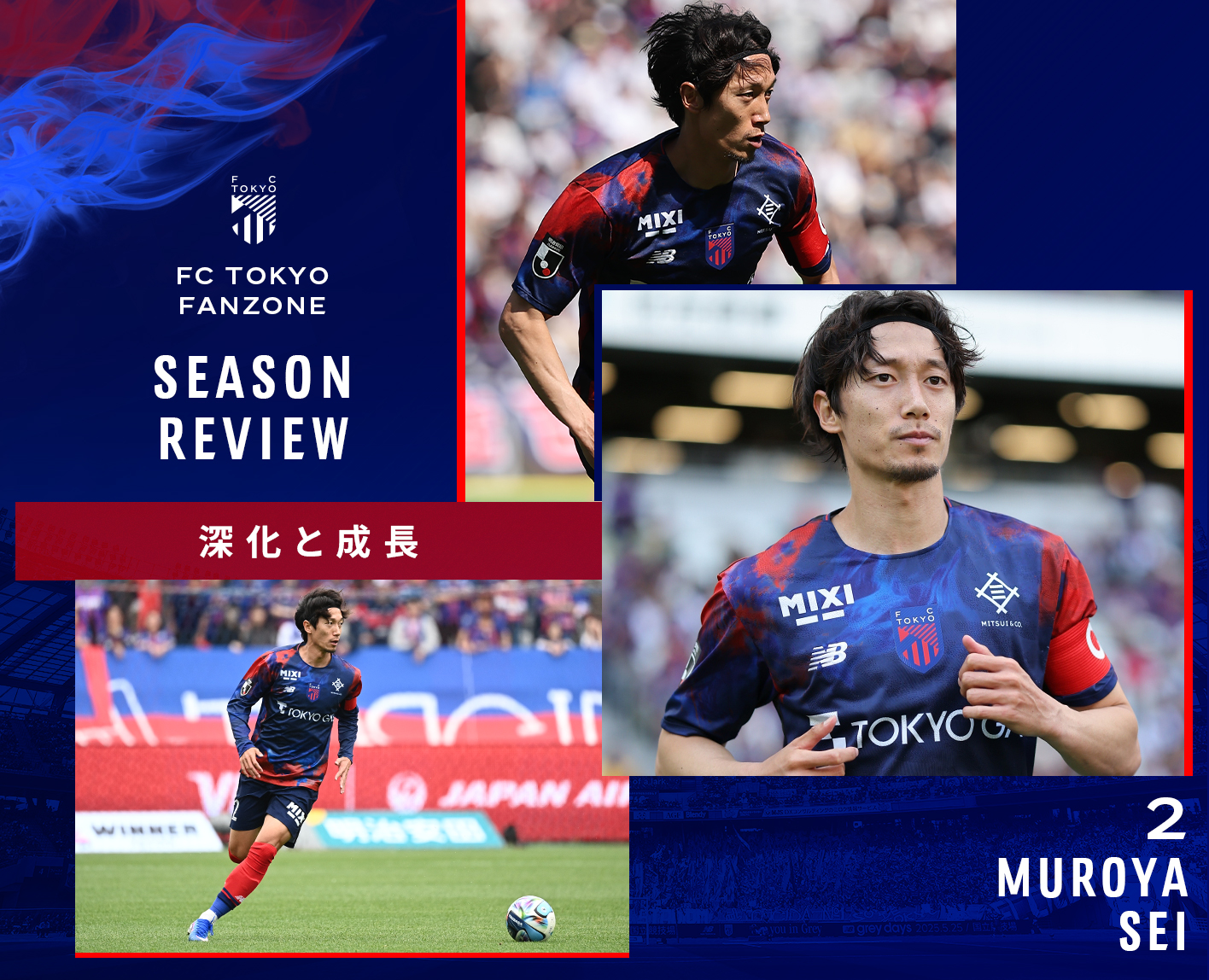
Q. You spent this season as captain. How do you reflect on your role as captain, how you were perceived, and your own behavior?
A. It might be misleading to say I was not conscious of it at all, but I believe I was able to play and conduct myself naturally throughout the season without being overly conscious of being the captain. Coach Matsuhashi also values a natural approach, and the players treated me in a friendly manner. I never thought, "I have to behave like this as a captain," and with everyone’s help, we supported each other on the same level and fought together throughout the season.
Among them, the older players, such as Masato MORISHIGE, Keigo HIGASHI, and Yuto NAGATOMO, quietly supported me. I believe they behaved in a way that made it easier for me to stay natural and comfortable. It was precisely because of that support that I felt reassured and was able to serve as captain in a natural manner.
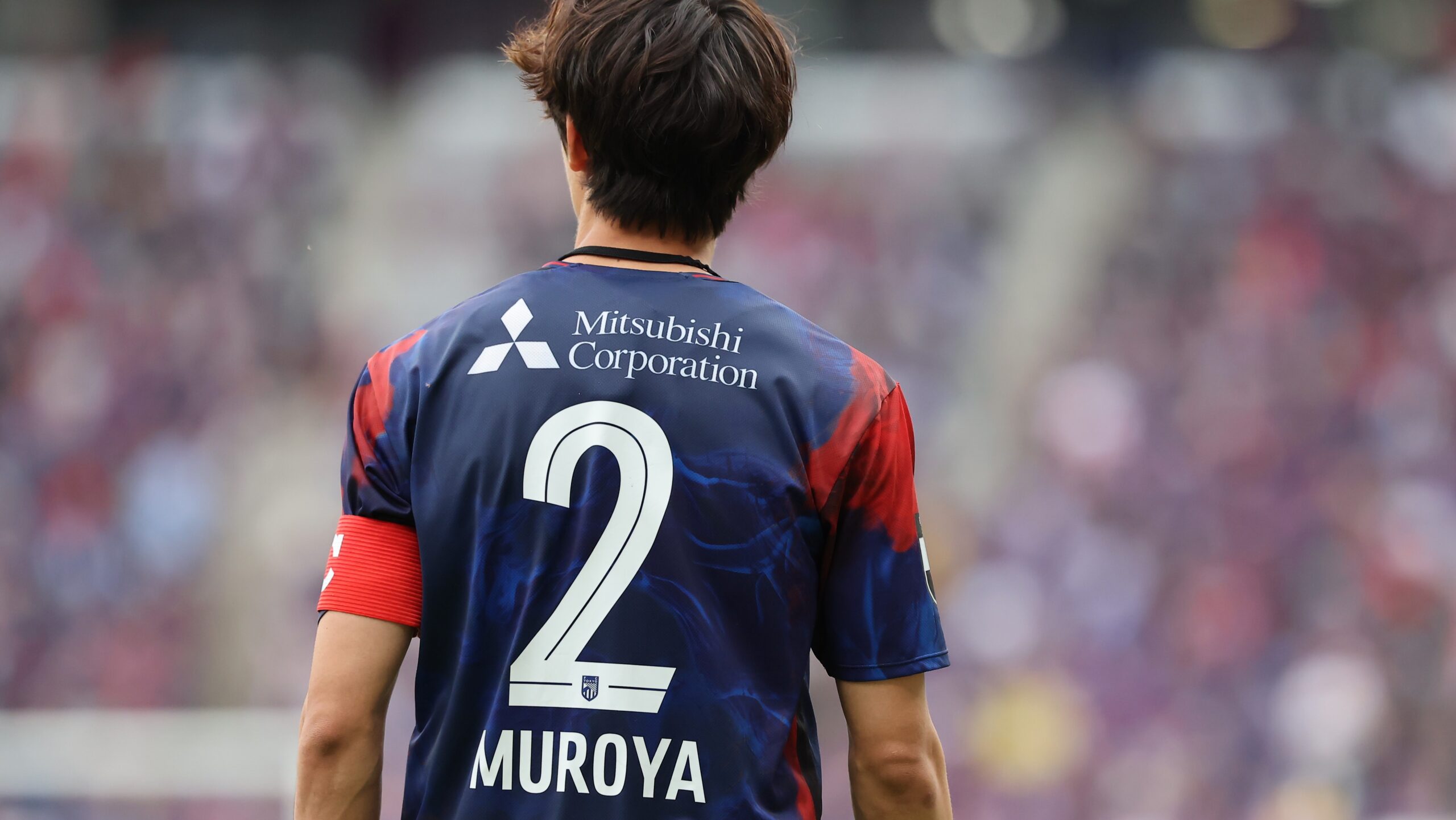
Q. Keigo HIGASHI, who had long led the club from the front, has reached the end of his contract, and Kei KOIZUMI, who captained the team last season, has left the team. What kind of respect do you have for their achievements and their behavior towards their teammates?
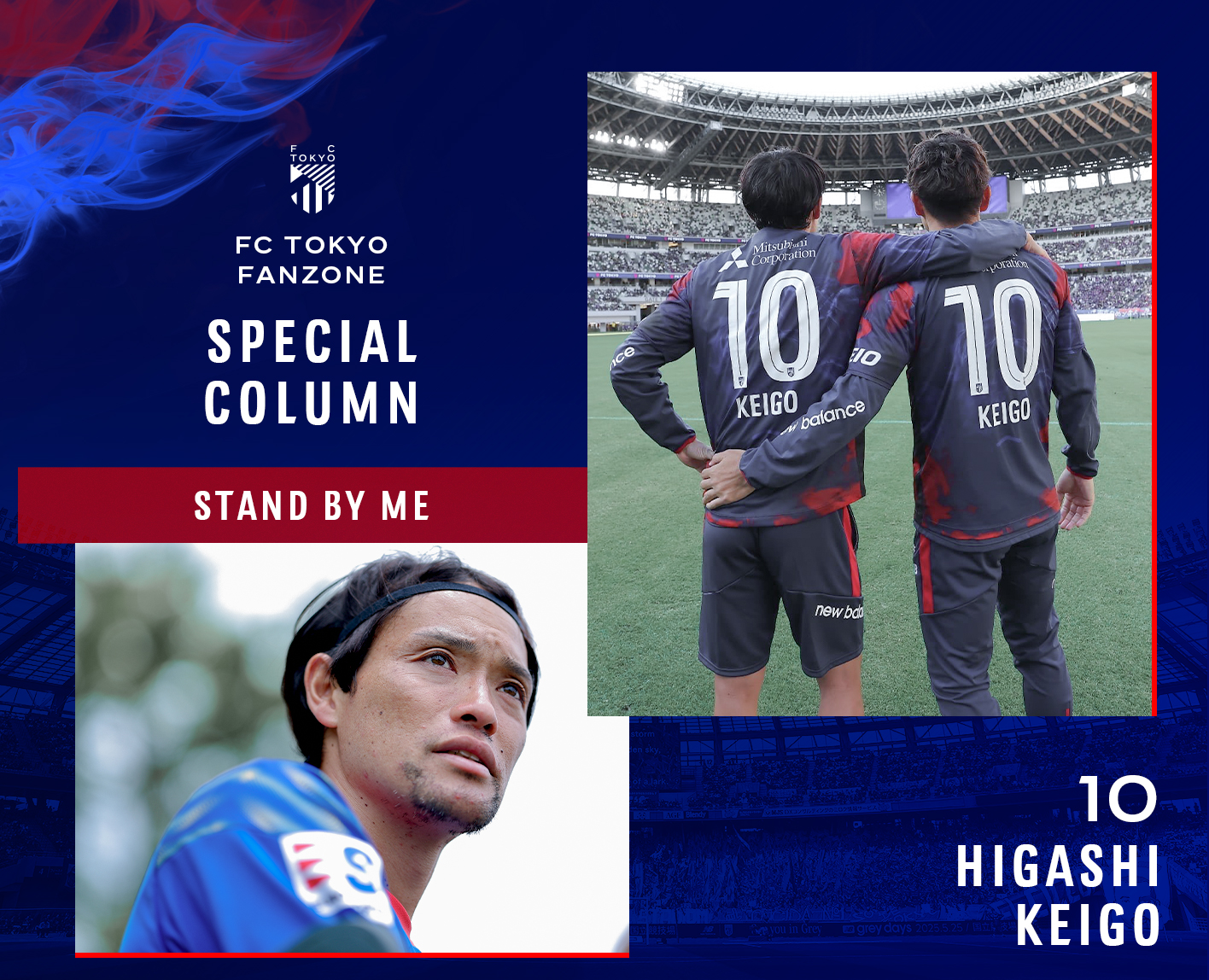
A, Keigo HIGASHI played continuously for Tokyo for 14 years. Any soccer player can understand how difficult that is, and I truly respect him from the bottom of my heart. Farewells are inevitable in the world of soccer and are always a sad thing. Someday, it will be the same for me as well. I hope the players who move on to new teams will do their best. Kei KOIZUMI also served as captain and led the team from the front. I am proud to have played alongside such players as teammates and to have shared wonderful times together.
Q. This has been the case before, but especially this season, I believe the cheers and support from the fans and supporters have been a great source of strength for us.
A. Not only at home games but also at away matches, many fans and supporters have always come to watch and encouraged us with their cheers. I am truly grateful. Because of that, we strongly feel that we must demonstrate on the pitch and through our attitude toward soccer that we are worthy of people wanting to watch and support us. Next season, we want to show an even stronger side of ourselves and make it a season where even more people will want to cheer for Tokyo.