

<Match Preview>
The last game of the season with a focus on transformation.
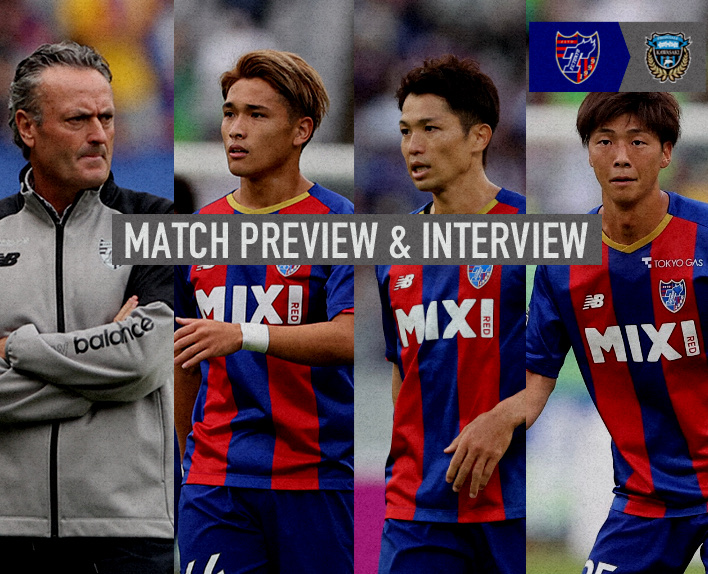
The current ranking after 33 league matches is 6th place. Compared to last season's 9th place, the performance has improved, but it can be said that it was a year of growth more than the numbers suggest. Kuryu Matsuki, who has played in 30 matches so far, reflects on the team's changes throughout the season.
"Before the opening, it was a situation where it was difficult to move forward from the back. Now, we are able to hold the ball and also execute fast vertical short counters."
"The style of coach Albert PUIG ORTONEDA, who says 'Love the ball,' has gradually and steadily permeated. There are still many challenges, but each player is starting to feel a sense of accomplishment in the team's growth."
The opponent for this match is Kawasaki, a good rival across the Tama River. Since we lost 0-1 in the opening match of this season, they should be a perfect opponent to measure the team's growth. The opponent is also in a situation where the championship is at stake, but Matsuki says, "It doesn't concern us," and positions this Tama River Clasico as "a match that shows what kind of soccer we will play from next season onwards."
Tokyo demonstrates the culmination of this season, looking towards the future.
Matchday program is here
[Albert PUIG ORTONEDA Interview]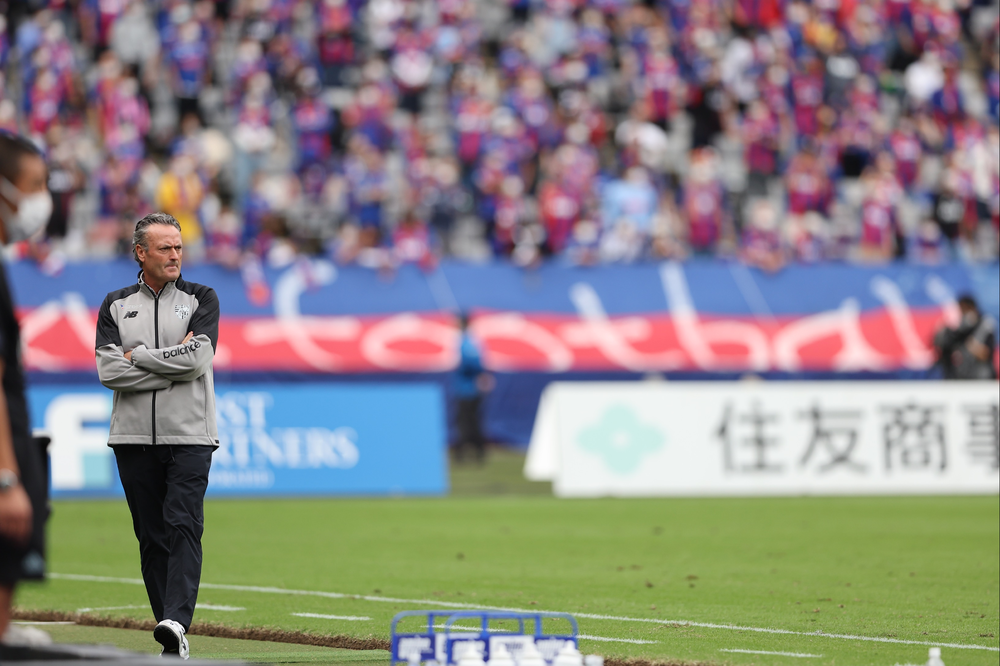
Q: Today is the last enclosed interview of the year. Thank you for this season.
A: I am the one who should be grateful. As the phrase 'traveling together' suggests, we are all on this journey together, including all of you, so your warm welcome is very important to us. Your articles are a crucial part of the club. In that sense, I truly want to express my gratitude to all of you.
Q: I have seen the team’s daily progress, and this past year felt like it flew by. How was it for you as the coach?
A: It feels short now, but when I was there, I definitely felt it was a long season. I think the past three seasons have been difficult for everyone due to COVID-19. The reason it feels like time has passed quickly at this moment is because the players have steadily grown. Because I was able to feel the players’ growth daily, I felt joy and happiness, and as a result, looking back, it feels like time passed quickly.
Q: I think tomorrow's match will be the culmination of the year.
A: As I mentioned the other day, when focusing on just one match, the outcome can change due to various factors. That is precisely why, for better or worse, we should not regard that single match as the summary of the entire season. I believe everyone has witnessed the team’s gradual growth throughout this season. For example, even in the recent match against Nagoya, the team was able to show signs of growth, although we lost the game. However, despite the loss, I think people felt that the team was improving, and among Nagoya’s fans and supporters, there were probably some who, although their team won, did not feel entirely satisfied. Also, the Tokyo fans and supporters who came to cheer us on away from home, even though we lost, gave warm support and sang after the match, which I believe was because they too witnessed the team’s growth. That is why I would be happy if the team can once again demonstrate on the pitch tomorrow the progress made this season, but even if that does not happen, there is no doubt that the team has grown.
Q, I think this season was a year of challenge for Tokyo, but looking back, what are your thoughts?
A: First of all, I think it was a positive season. If we had won the match against Nagoya, the Kawasaki match would have been a game to move up to third place, so I believe we are in a decent position. However, I want to focus not on the match results but on the quality of the football. I want to emphasize to everyone once again that it is by no means easy for the players to have grown in such a short period of time.
Q: The other day, you mentioned that the team had reached 60% growth. Was that within your expectations?
A: First of all, when I say 100% completion, I mean a mindset of a winner, playing with the expectation that winning every match is the norm, and proving it both in content and results—that is what 100% completion means to me. With that image in mind, I started the season with the prediction and hope that if the team could raise its completion level to around 40–60% by the end of the season, that would be satisfactory. And as a result, the team was able to improve its completion level to the best expected level of 60% within that 40–60% range, thanks to the players' contributions. Now, for next season, if by the end of the season the team can reach 80% completion, I believe that would be worthy of success. Filling the remaining 20% from 60% to 80% will become even more difficult than before. The players joining the team will become important, and naturally, including the current players, it will be essential to demand a lot from the players in every training session next season as we did this season. Once they clear those demands, we will give them even more challenging tasks, preparing an environment where players have no choice but to grow. This season started with a zero baseline at preseason. Next season, we can start with 60% completion, so the starting point is completely different. The ability of new players to quickly adapt to the team and express their talents within the team is included in that 20% growth. I want to work hard every day with the expectation that by the end of next season, we will have reached 80%. After that, let's talk next year about how to fill the gap from 80% to 100%. One thing we must not forget to raise the team's completion level is to keep fighting with a competitive spirit. That is an essential part. The closer the completion level gets from 80% to 100%, the more naturally the team will be able to focus on competing and express that on the pitch. If we can do that, I believe we can break into the top ranks.
Q: I think both teams have changed since the opening match. What are your thoughts on that?
A, once again, I think tomorrow's match is one where either team could win. What I envision for tomorrow is that, as we approach the final round of this season, our team is already prepared to step onto the pitch without fear against Kawasaki, Yokohama F.Marinos, or any other team. Of course, there is a possibility that we could lose tomorrow. However, there is no doubt that the players will step onto the pitch with the confidence that they can compete on equal footing with them. On the other hand, at the beginning of the season, hearing the name of the opposing team would make us a bit nervous, but tomorrow, even against Kawasaki, that will not be the case — and I think that is a big difference. That is the foundation we have.
[Player Interview]
<Masato MORISHIGE>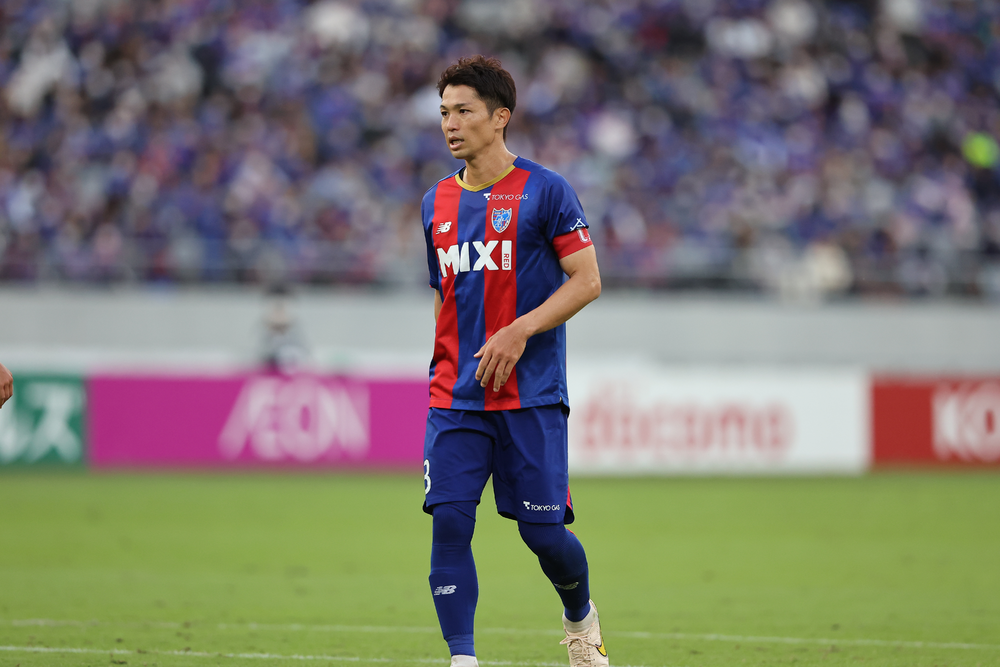
Q: How do you feel about the team's growth over the past year as we approach the final match of the season?
A, I think that by positively embracing the challenge of new soccer and continuing to do so, we have been able to see the direction and gradually gain confidence in playing the game as we approach the end. There are still challenges, but I feel that a good cycle is being created as the players actively work to solve them.
Q: Looking back on the season, there were times when results did not come easily. As captain, what kind of mindset did you have when facing the team?
A,We knew it would take time for results to show, so even when things didn't go well, we were conscious of not doubting the direction we were aiming for and focused on working on soccer. Now, little by little, we feel like we are getting closer to the ideal group. We can discuss soccer together, and training is enjoyable and challenging. In that regard, I think the attitude of players like Yuto NAGATOMO and Keigo HIGASHI has a big influence on the younger players.
Q: This season, there were many occasions where players were seen discussing with each other after practice.
A, The "love the ball" style of soccer that Tokyo is working on offers many options for play, so the dilemmas never end. There are many things that cannot be resolved without players discussing them among themselves, but perhaps it is precisely because that process is enjoyable that they can engage in soccer proactively.
Q: What kind of team do you want Tokyo to become next season?
A, I believe that exciting and enjoyable football is ideal. In order to achieve that, we need to aim for a more attacking style of play that can score more goals. I think this season, the fans and supporters had to endure a lot, but I believe that we can make the next season a more enjoyable year. In this match, I will do my best to make it a game that everyone can expect and that will lead to the next season.
<Kuryu MATSUKI>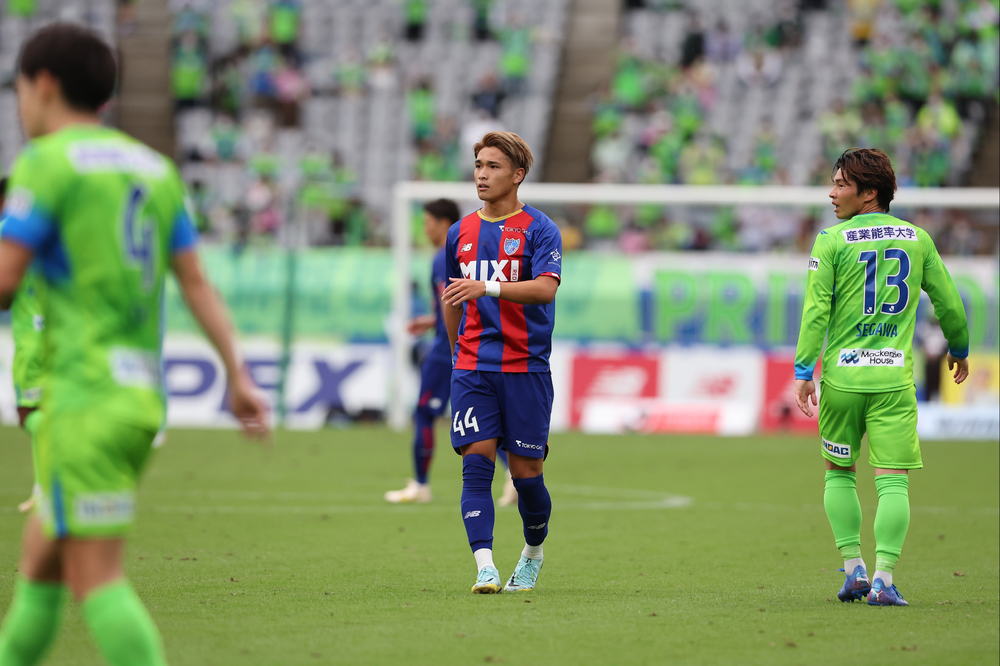
Q: After winning the high school soccer championship, what was your impression before facing the team that had won the J-League championship the previous year?
A, I think they are an absolute champion team in recent years, and although the members have changed somewhat, I thought they were a very good team when watching their matches.
Q: You made your professional debut and your first start. What instructions did you receive from Coach Albert PUIG ORTONEDA?
A, it was my first time playing soccer on a professional stage, and the coach also encouraged me by saying that I would be fine as long as I played calmly. Diego TABA also spoke to me, creating an environment where I could easily blend into the pitch.
Q: How did you feel when you were chosen for the starting lineup?
A: I was looking forward to it.
Q, actually standing on the pitch and facing players like Leandro DAMIAO and Akihiro IENAGA, who are at a level not seen in high school soccer, how did you feel? Are there any players who left an impression?
A, I felt that not only IENAGA but also DAMIAO and all the other players were at a high level. Since I had just turned professional from high school and the pace of the game was completely different, I couldn't quite imagine it at first, but as I got used to it, I think I was able to play matches without losing to those kinds of players. DAMIAO's winning goal made me realize, "This is what professional soccer is like."
Q, you made a strong impact in that game, including a powerful mid-range shot that was narrowly saved by the opposing goalkeeper. Now that we are in the final stages of the season, if you, Matsuki, were to play in that match again, would there be anything different you could do?
A, I think what I do in the current style of soccer is different from the previous match. Since I have been continuously playing and gaining experience, I believe there are more things I can do now than at the opening game.
Q, what are the differences between the previous style of soccer and the current one?
A, I think pressing from the front has not changed since the opening match and now, but I think the way of building up has changed.
Q, After spending a year as a professional, are there any changes in your way of thinking? Also, please tell us the points where you feel you have grown.
Since Coach Albert PUIG ORTONEDA took over, I have learned the importance of "loving the ball," and that has contributed to my personal growth.In terms of playing style, I have grown in my ability to possess the ball while moving towards the goal.
Q, Tokyo has not won the Tamagawa Clasico since the 2018 season, when Matsuki was in junior high school. Do you feel any special atmosphere?
A, I did not feel that kind of atmosphere during the opening match. I don’t have the feeling that it’s special because it’s a Clasico, but I am determined to absolutely win the match in front of me. However, considering the fact that we haven’t been able to win, the desire to win in the final round has come up.
Q, what kind of soccer do you think Coach Albert PUIG ORTONEDA's style is?
A, it is a style of soccer that aims for the goal while maintaining possession of the ball, and I believe each player is required to adapt their play accordingly. While connecting passes, if there is space ahead, the team can also launch sharp counterattacks, making it a strong and flexible team.
Q, please tell us your enthusiasm.
Playing the final match at home is a big deal for us, and we want to finish the game well and carry that momentum into next season.
<Koki TSUKAGAWA>
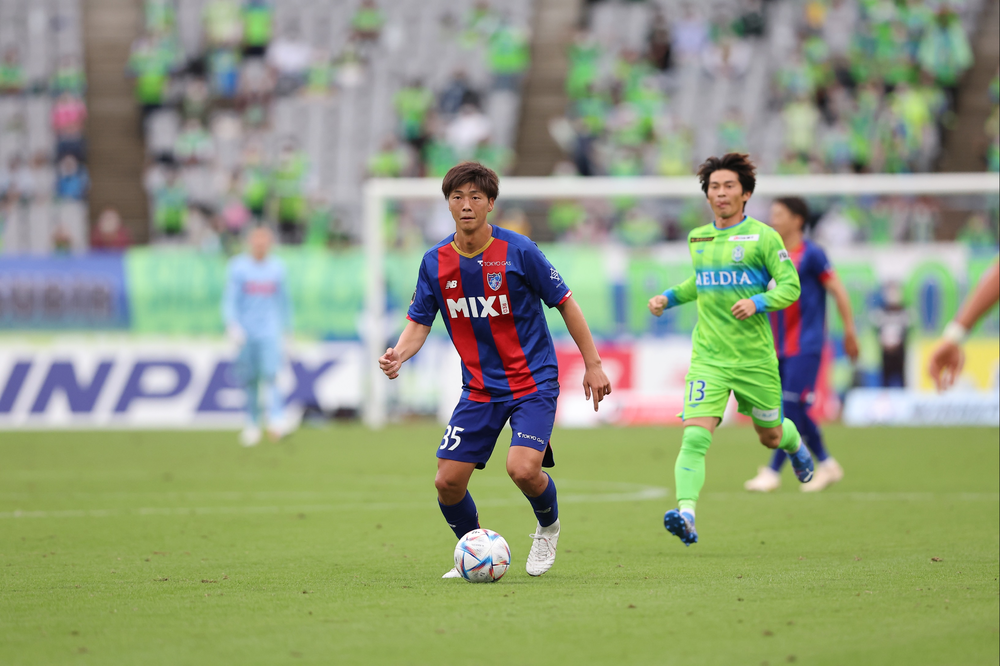
Q: What was the atmosphere like for Kawasaki Frontale, who had Tsukagawa as a player at the time of the opening match and had won two consecutive championships, in the opening match?
A, although we had won two consecutive championships, we considered it a fresh start from zero. For Kawasaki Frontale, the opening match was a crucial game that could determine whether we could build momentum or not. No one was thinking about the two consecutive titles; everyone was fully focused and fighting as if it were the first match of this season.
Q, the opponent Tokyo has just changed to a new head coach. How did you scout them, and what kind of countermeasures were devised?
A, It is the historic Tamagawa Clasico, and everyone felt that it was not just an ordinary match. We saw this battle as one that would affect the team’s motivation going forward, whether we won or lost. Regarding Tokyo’s countermeasures and their new direction, I thought it would take a lot of time, and I believed there would be some openings somewhere, so we fought with that in mind. From the start of the match, I think we planned to steadily apply pressure from the front and take control of the game.
Q: You entered the pitch in the 63rd minute as a substitute for Chanathip. What was the specific mission assigned to you, Tsukagawa? What were you feeling while playing?
A: Since it was the opening match, whether we could gain momentum depended on winning or losing this game, so I prepared to win for the team and entered the match with a winning mindset. The score was 0-0 at the time, so the message to go out and win was clearly conveyed. In the end, we were able to win 1-0, so I accomplished the task given by the coach, but personally, I remember feeling frustrated and that there were still challenges to address in the match.
Q. Were there any FC Tokyo players you were particularly cautious about?
A, Diego TABA is a player who has a good control of the ball and also has a sense of scoring in front of the goal, so I was personally cautious about being scored in that area.
Q. Was there anything regarding Matsuki?
A, I remember thinking, "Is he really a high school student?" when he graduated from high school and played confidently against Kawasaki in the opening match.
Q, what do you think is the source of Kawasaki's strength?
A, I think there are many factors, but above all, they are always thinking about soccer. There are many disciplined players, and Kawasaki’s achievement of consecutive championships, which is quite rare, is related to their ability not to get carried away by emotions. What surprised me was that even when they win, they only celebrate immediately after the match in the locker room, and by the time they leave the stadium, they have already switched their mindset. In the teams I have been with before, the joy often carried over to the next match, but Kawasaki has a reset after winning, and the mindset that winning is the norm was present in that team. I think that mentality was incredible.
Q, As an FC Tokyo player, you will be facing your former team. From Tsukagawa's position, who do you need to be cautious of, and what kind of play do you want to focus on? Also, how do you feel about this?
A, I think the player to watch out for is Akihiro IENAGA. IENAGA can control the game on his own and change the flow of play. However, if we can contain IENAGA, I believe we can make it difficult for Kawasaki to play the style of soccer they want. If we give him too much freedom and time, Kawasaki will find their rhythm. I’m not sure if our positions will overlap, but I will be conscious of this and try to stop IENAGA to prevent the opponent from dictating the game.
Q, How do you feel about facing Kawasaki after transferring mid-season?
A, I am really looking forward to it. It is a team that I am very grateful for, and all the players are good people. It was a difficult time for me, but I also have many good memories. I am really excited to be able to play on the pitch with my teammates who have taken care of me.
Q, What kind of soccer do you think Coach Albert plays? It is said to be "connecting soccer," but what is the difference compared to Coach Oniki?
A, rather than the difference between Coach Albert PUIG ORTONEDA and Coach Oniki, I think it’s more about what kind of players are on the team and who will be playing. Playing "connecting soccer" means you have to handle the ball skillfully and be very aware of your surroundings. Within that, I believe each team has its own style. Kawasaki can maintain possession as a team because Akihiro Ienaga creates time for them. Tokyo also has that aspect, but the individual strength of the forwards is even more powerful, so I want to make good use of that.
Q, please tell us your enthusiasm.
A, I knew that the final match would be Kawasaki Frontale when I transferred. If I don't win the position, I won't be able to play in this match, and I wanted to fight on this pitch with the teammates who have fought together for a year and a half. I have worked hard to earn the right to stand on this pitch, so I want to stand firmly on the pitch and win in the final match.